


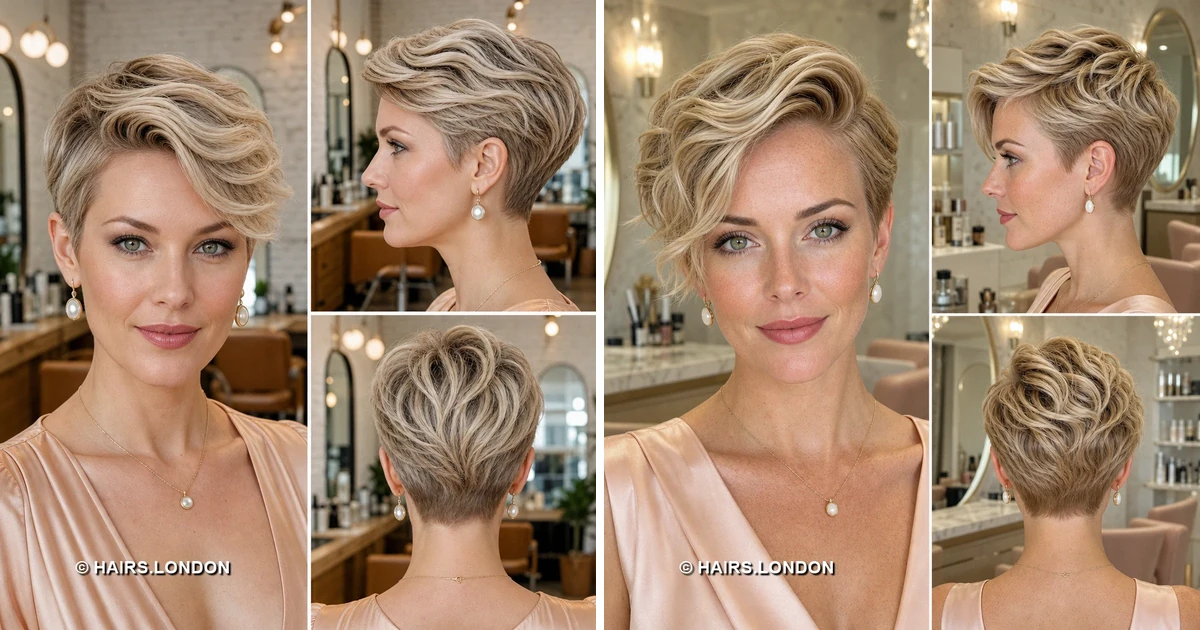
11. Bronde Pixie with a Raised Curved Fringe
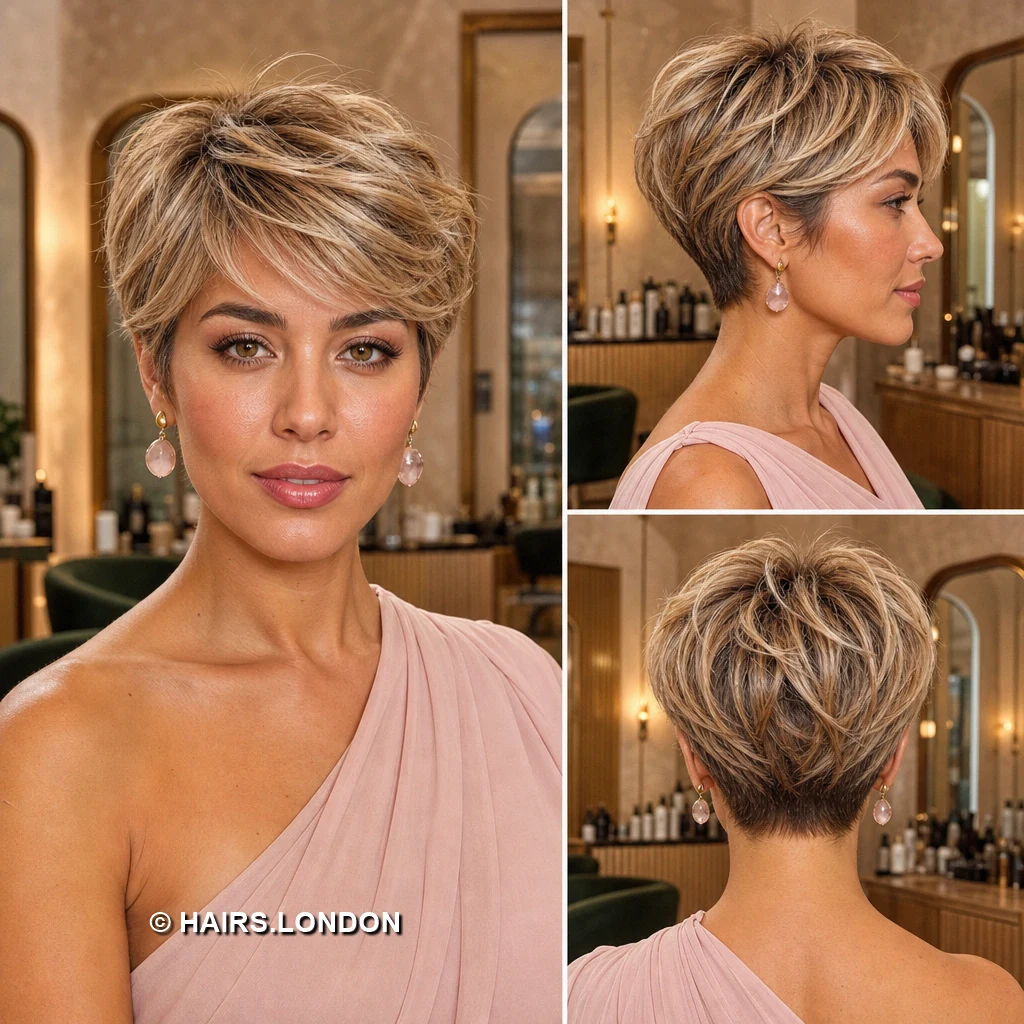
Bronde ribbons follow the raised curve of this fringe. Darker roots show clearly between the lighter top layers. The front opens the forehead while retaining generous length. Neatly clipped sides support a fuller crown and back. At the nape, the cut narrows into soft points. Brush upward first to build the visible front curve. Request fine internal layers instead of removing excessive bulk indiscriminately. Work lightweight paste through dry ends for flexible separation daily. Schedule regular trims to keep the silhouette crisp and balanced. Discuss how much temple coverage remains. Show your stylist the profile and back views too first.
12. Taupe Blonde Pixie with a Short Textured Fringe
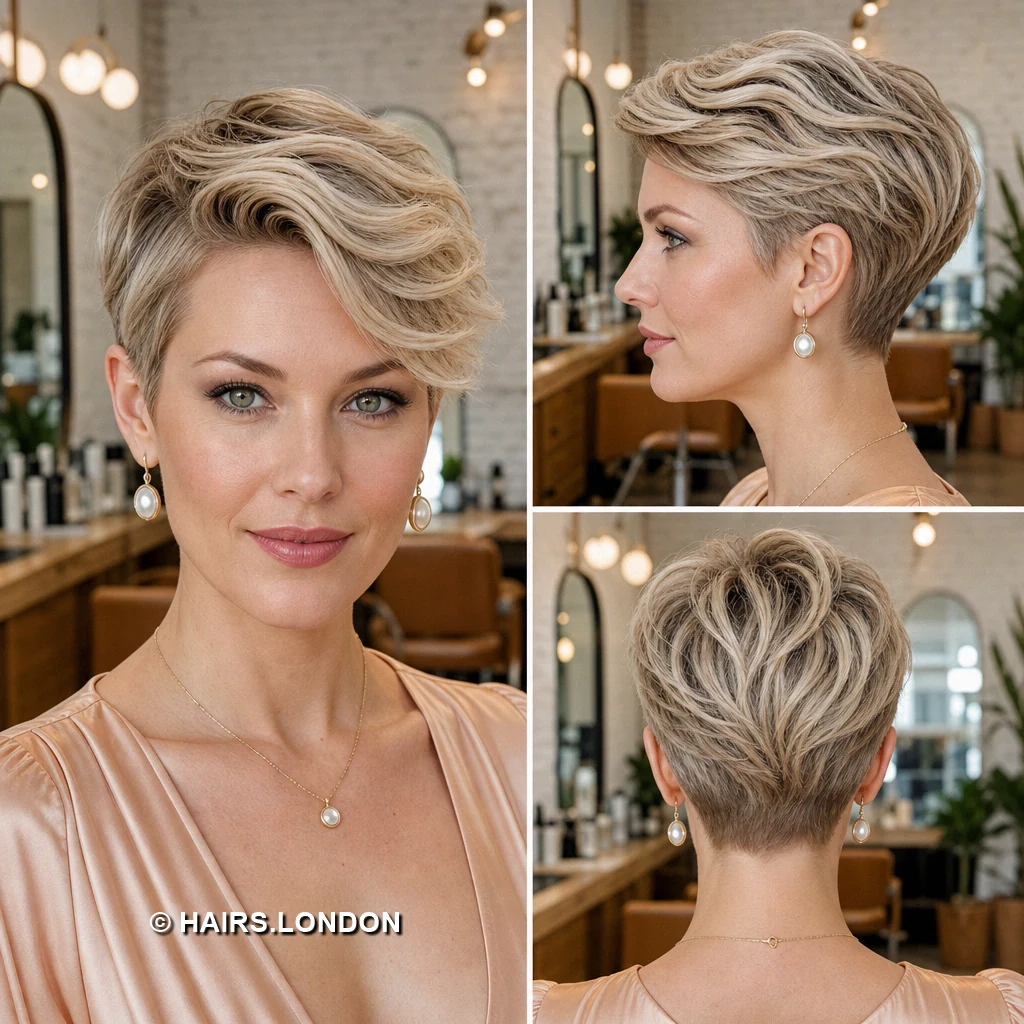
Short wisps cross the forehead in this textured pixie. Taupe blonde highlights brighten the top without hiding depth. The crown rises softly before curving toward the back. Snug sides and a narrow nape keep edges controlled. Separate the front lightly rather than pressing it flat. A small amount of styling cream maintains flexible texture. Request fine internal layers instead of removing excessive bulk indiscriminately. Keep lighter strands conditioned to maintain their smooth appearance longer. Keep the fringe soft between appointments. Schedule regular trims to keep the silhouette crisp and balanced. Show your stylist the profile and back views too first.
13. Vanilla Blonde Pixie with Soft Crown Waves
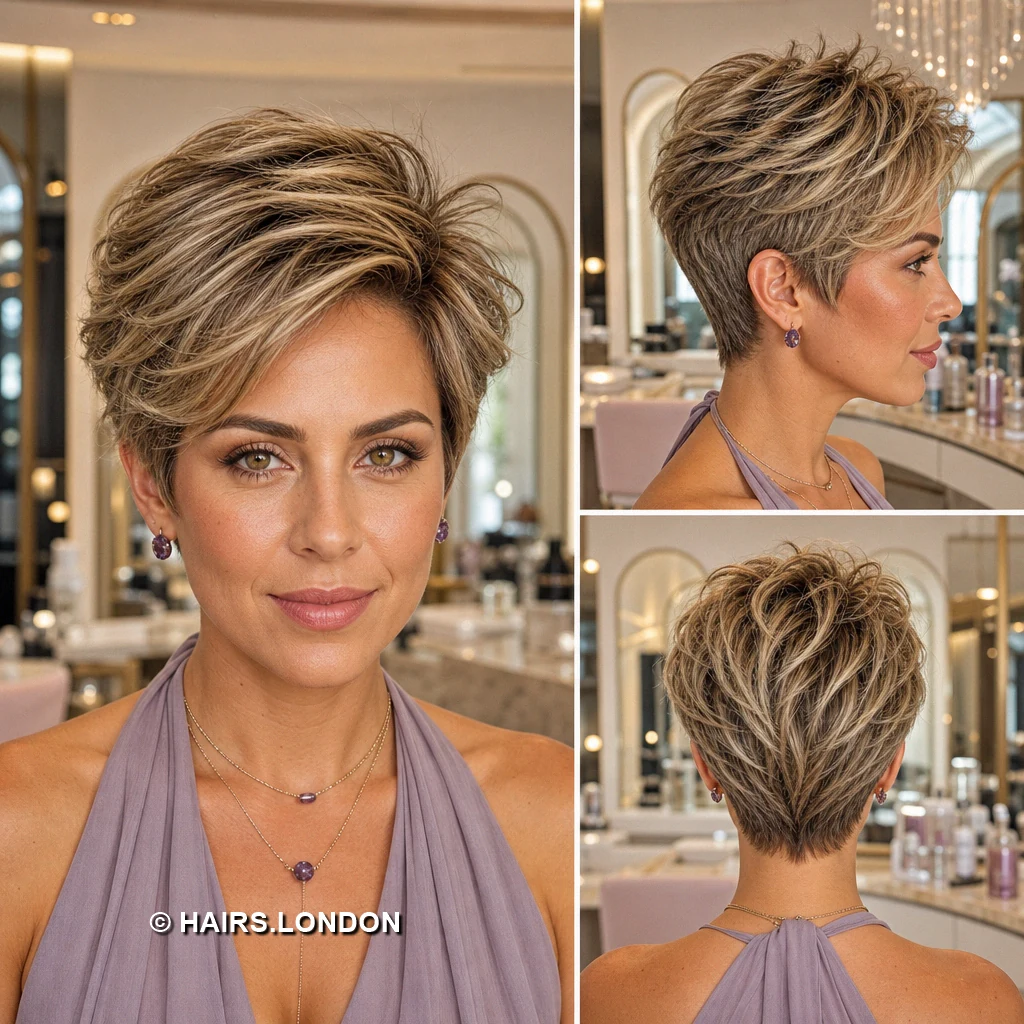
Vanilla blonde highlights outline broad waves across the crown. The lifted fringe curves back, leaving the forehead open. Shorter sides provide contrast without an obvious shaved section. Rounded back layers settle into a slim tapered nape. Visible bends give this pixie a soft, buoyant texture. Shape the waves with fingers while drying from roots. Ask your stylist to preserve fullness above the crown area. Keep lighter strands conditioned to maintain their smooth appearance longer. Avoid flattening waves with heavy wax. Schedule regular trims to keep the silhouette crisp and balanced. Show your stylist the profile and back views too first.
14. Buttery Blonde Pixie with a Light Side Fringe
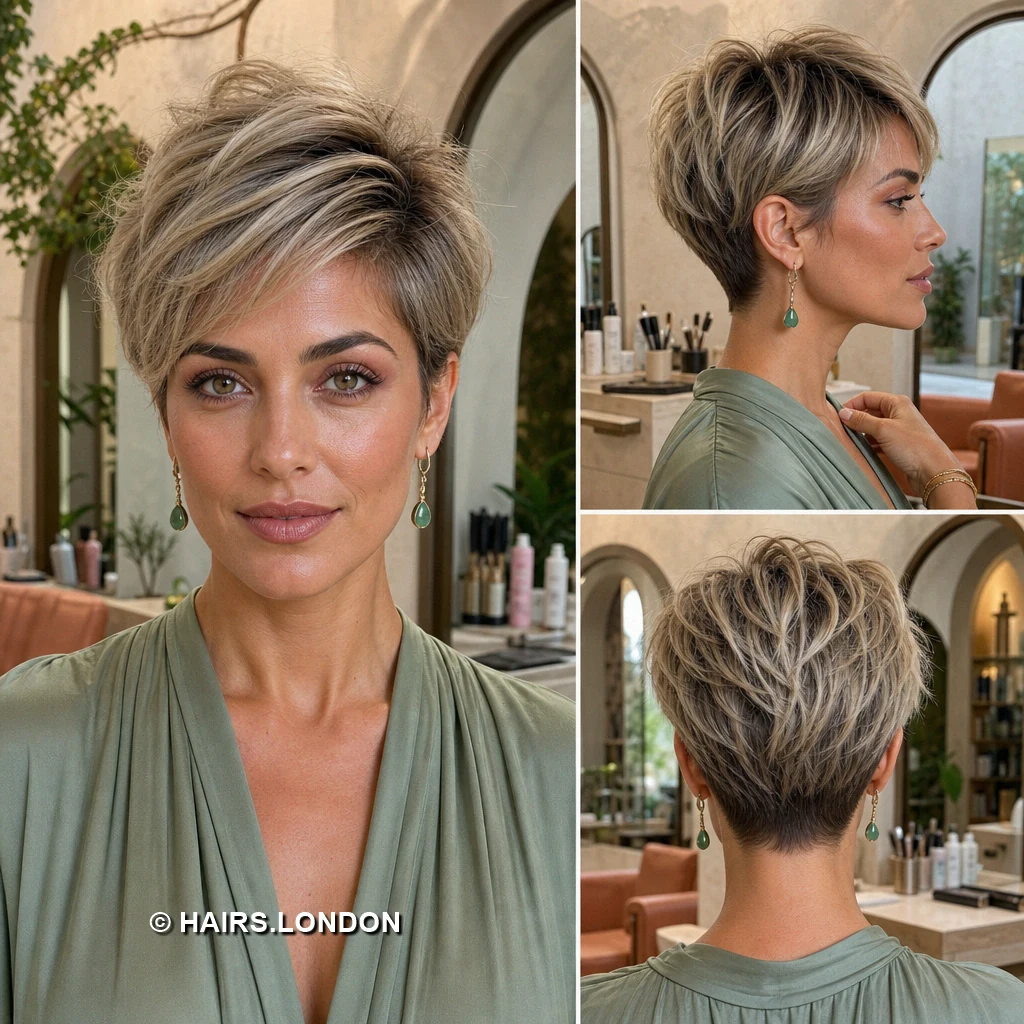
Buttery blonde pieces brighten this compact, softly layered pixie. A light fringe crosses the forehead without reaching eyes. The crown carries subtle lift rather than dramatic height. Sides remain close, with a gentle taper behind ears. At the back, feathery layers meet a neat nape. Direct the fringe sideways using fingers or gentle airflow. Request fine internal layers instead of removing excessive bulk indiscriminately. Work lightweight paste through dry ends for flexible separation daily. Check the fringe dry before shortening. Schedule regular trims to keep the silhouette crisp and balanced. Show your stylist the profile and back views too first.
15. Light Blonde Pixie with an Oversized Side Wave
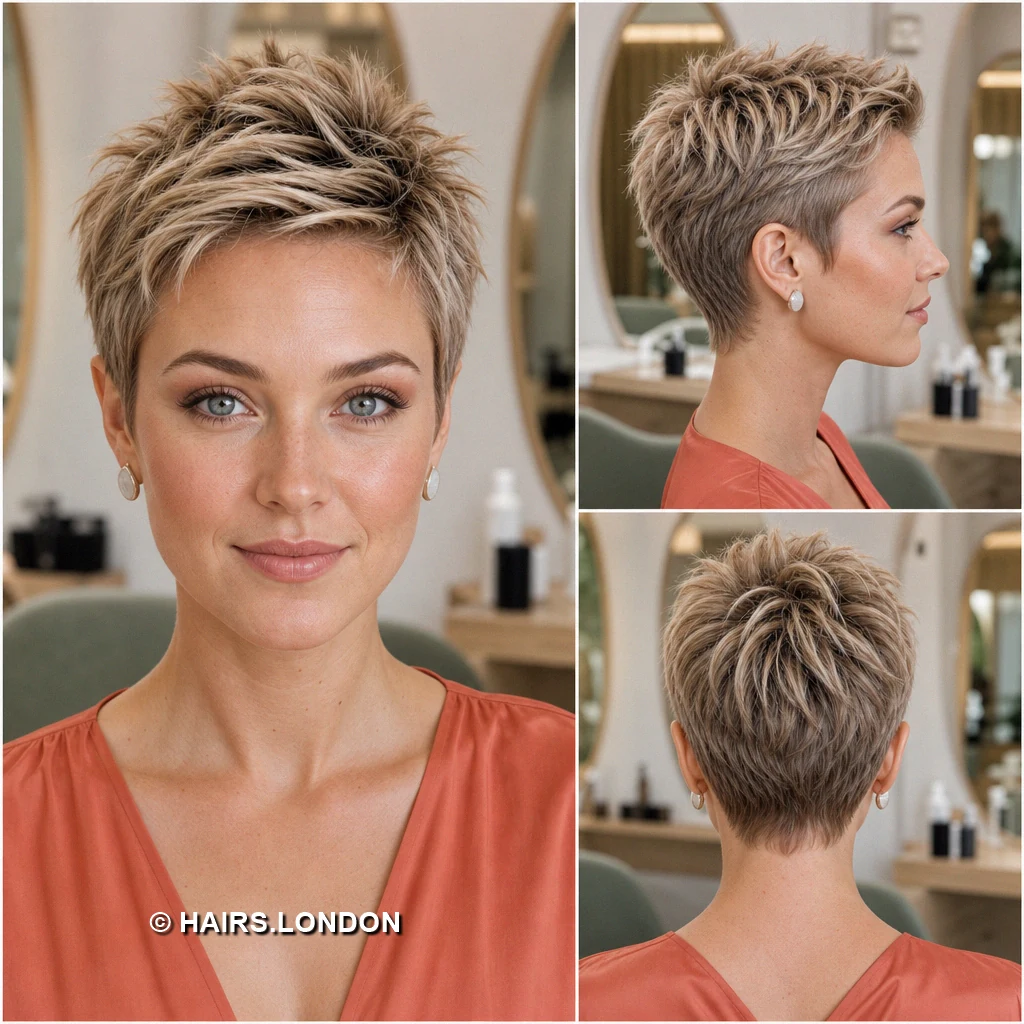
A large side wave gives this light blonde pixie volume. Its longer fringe extends outward before curving across forehead. Deeper roots emphasize the sculpted direction of each section. Close sides leave the dramatic front as the focal point. Loose waves continue through the crown above a tapered nape. Dry the front upward before smoothing individual bends sideways. Ask your stylist to preserve fullness above the crown area. Keep lighter strands conditioned to maintain their smooth appearance longer. Avoid heavy hairspray. Schedule regular trims to keep the silhouette crisp and balanced. Show your stylist the profile and back views too first.
16. Sandy Beige Pixie with a Smooth Extended Fringe
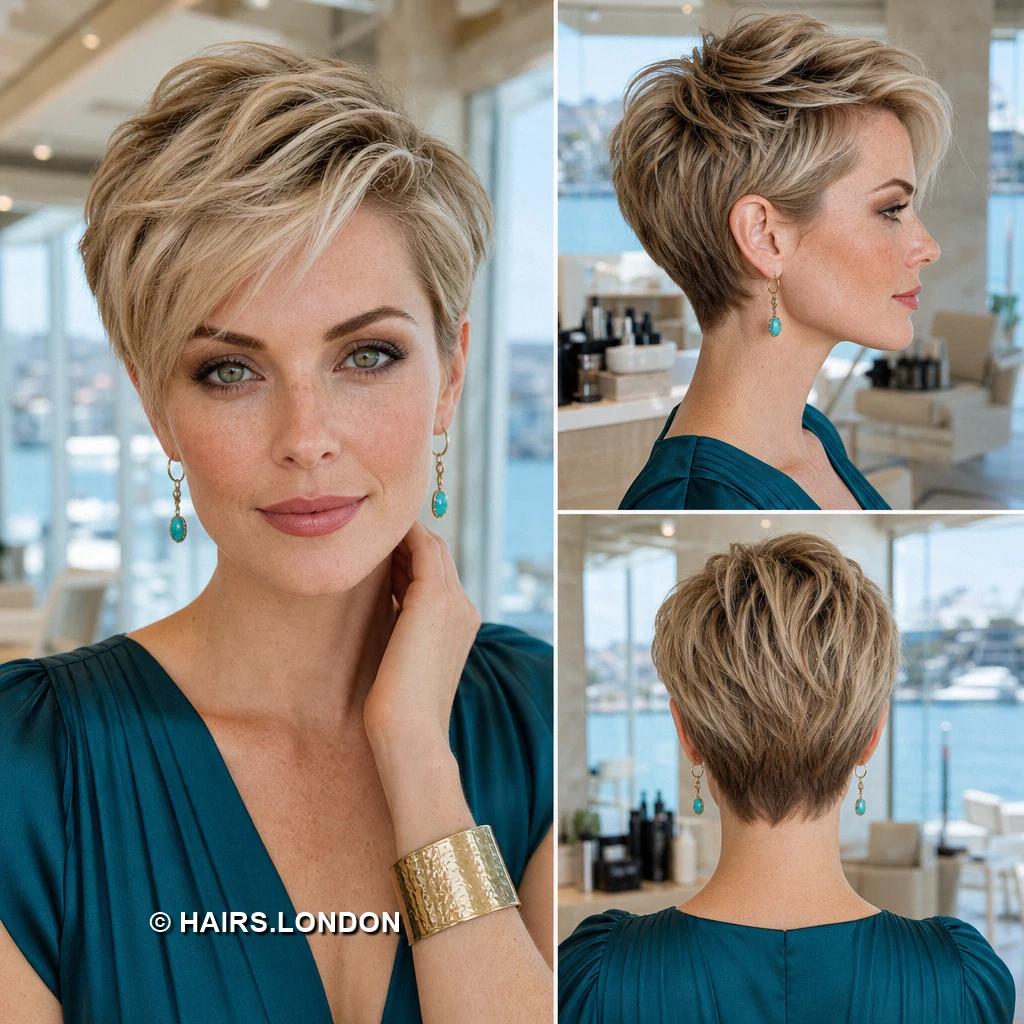
The extended fringe sweeps across this sandy beige pixie. Fine highlights show the direction of its smooth layers. Fuller hair above the ear gradually shortens toward nape. The crown keeps enough length for a gentle curve. One side looks especially close beside the long front. Use a small brush to guide the fringe diagonally. Request fine internal layers instead of removing excessive bulk indiscriminately. Keep lighter strands conditioned to maintain their smooth appearance longer. Schedule regular trims to keep the silhouette crisp and balanced. Confirm the shortest side length beforehand. Show your stylist the profile and back views too first.
17. Warm Bronde Pixie with a Tousled Front
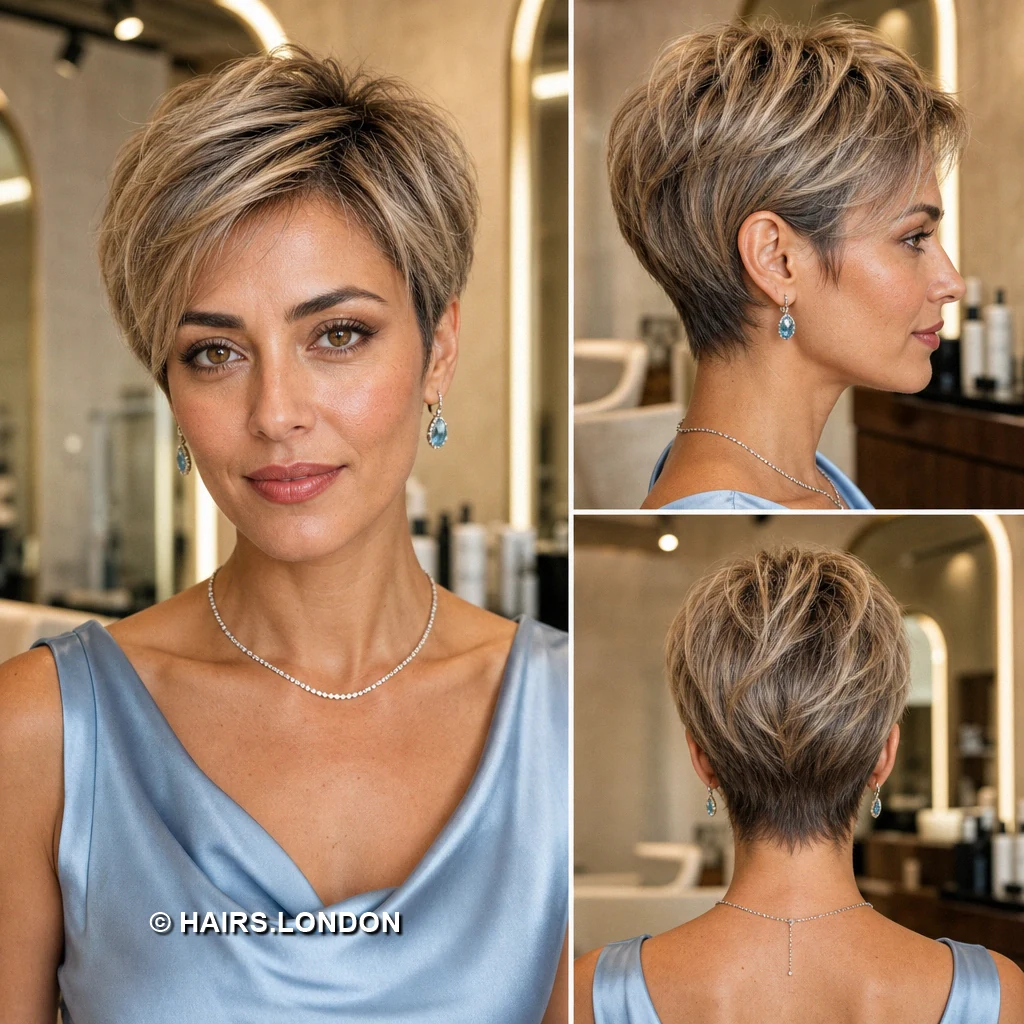
Warm bronde highlights weave through this loosely tousled crown. Its longer front lifts before sweeping toward one side. Shorter temple hair creates contrast without exposing the scalp. The rounded back gradually tapers into a narrow neckline. Individual ends flick outward, adding texture around the fringe. Scrunch a little styling cream through nearly dry hair. Ask your stylist to preserve fullness above the crown area. Work lightweight paste through dry ends for flexible separation daily. Leave enough length for natural movement. Schedule regular trims to keep the silhouette crisp and balanced. Show your stylist the profile and back views too first.
18. Pearl Blonde Pixie with an Asymmetric Fringe
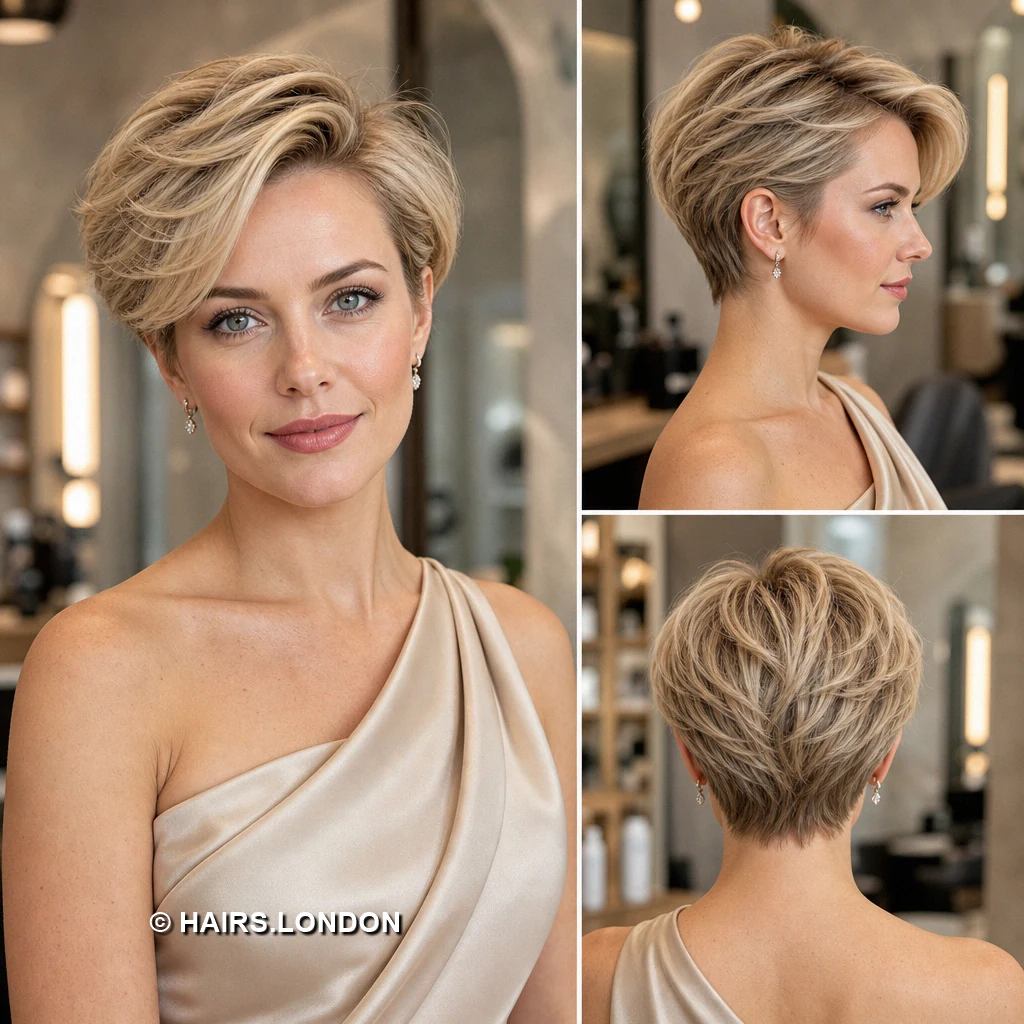
Pearl blonde strands brighten this notably long diagonal fringe. The front falls across one eyebrow in curved sections. A shorter opposite side makes the shape subtly asymmetric. Crown layers remain full above the closely tapered nape. Darker hair underneath gives the pale fringe extra definition. Smooth the front while lifting the roots behind it. Request fine internal layers instead of removing excessive bulk indiscriminately. Keep lighter strands conditioned to maintain their smooth appearance longer. Account for the fringe’s natural fall. Schedule regular trims to keep the silhouette crisp and balanced. Show your stylist the profile and back views too first.
19. Smoky Bronde Pixie with a Curved Fringe
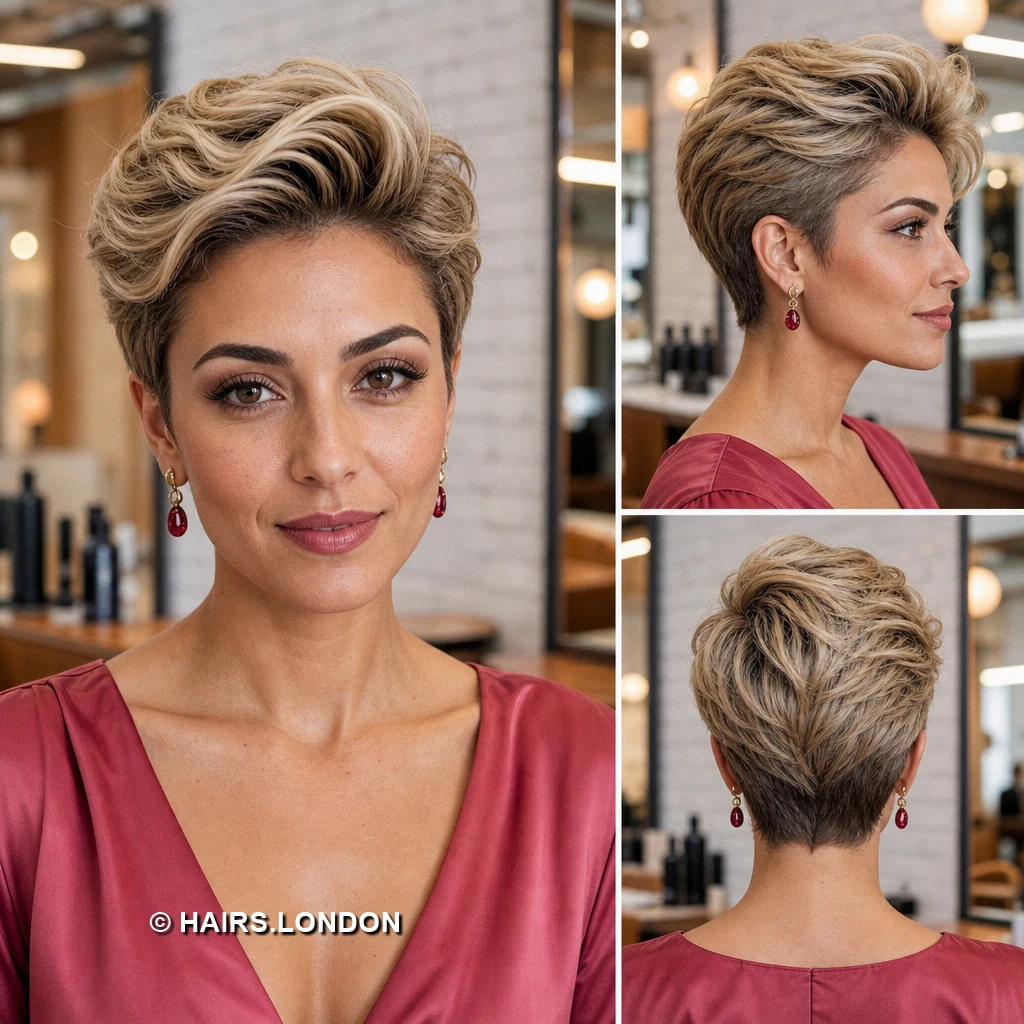
Smoky bronde highlights define the curved, sideward fringe here. The front stays longer than the fitted temple sections. Soft separation adds texture without making the crown spiky. Rear layers follow the head toward a tapered neckline. The darker base remains visible between lighter sweeping strands. Finger style the fringe to retain its gentle bend. Ask your stylist to preserve fullness above the crown area. Work lightweight paste through dry ends for flexible separation daily. Keep the side sections neatly aligned. Schedule regular trims to keep the silhouette crisp and balanced. Show your stylist the profile and back views too first.
How to Choose a Highlighted Pixie Cut
Start with the front length you would actually enjoy styling. A long fringe offers more sweeping options, while a short, piecey front stays away from the eyes. Compare the profile and back as carefully as the front: crown height, coverage around the ears and nape taper make a substantial difference to the shape. Ask for a version that works with your hair’s density and natural growth pattern.
Styling Pixies on Different Textures
For straight hair, lift damp roots with a dryer and use a small amount of paste to define selected ends. For naturally wavy hair, scrunch in lightweight cream and avoid brushing out the bends once dry. If your hair is curly, discuss how much length the top needs to retain after it springs up. Fine hair benefits from restrained product; dense hair may need carefully placed internal layers rather than excessive thinning.
Keeping Blonde Highlights Fresh
The lighter ribbons in these cuts are especially visible around the fringe and crown. Use a conditioner suited to color-treated hair, limit unnecessary heat and protect exposed hair from strong sun. If blonde pieces become warmer than you prefer, ask your colorist whether a toner is appropriate instead of repeatedly using toning shampoo without guidance. Root contrast can be intentional, so agree on the look you want as it grows.
Maintaining the Tapered Shape
Short sides and napes change proportion quickly as they grow. Book trims according to how precisely you want those areas shaped; many people find a visit roughly every four to six weeks useful. Between appointments, redirect the fringe while drying and refresh flattened crown layers with damp fingertips. Avoid cutting the nape or removing crown bulk yourself, since both affect the silhouette from several angles.
What to Discuss with Your Stylist
Bring front, side and back references, then identify the features you want from each: fringe length, crown fullness, coverage at the ears and neckline shape. Explain how much time you spend styling and whether your hair usually falls forward, separates or forms waves. For color, ask where highlights should sit, how much darker base should remain visible and what appointments will be needed to maintain the result.
Frequently Asked Questions
What makes highlights effective on a pixie cut?
They bring out the direction and separation of short layers, particularly through the fringe and crown.
Can I keep my fringe long with short sides?
Yes. Several of these cuts pair a sweeping front with closely fitted sides and a tapered nape.
Which option keeps hair away from the eyes?
Consider a raised front wave or a short, piecey fringe rather than a low, extended sweep.
Will these cuts work on naturally wavy hair?
They can. Ask your stylist to account for how much your waves shorten as they dry and to preserve enough length on top.
How should I style a straight-haired pixie for volume?
Dry the roots upward before directing the fringe sideways, then define a few ends with lightweight product.
What should I ask for if my hair is dense?
Ask your stylist to assess where internal layering would reduce weight while keeping the crown and fringe full enough.
Can a highlighted pixie have darker roots?
Yes. Darker roots are visible in many of these looks and add contrast beneath the lighter strands.
How often will the nape need trimming?
It depends on your growth rate and preferred outline, but roughly four to six weeks is a useful starting point.
Should the sides be shaved to achieve this shape?
No. The pictured sides are generally close and tapered, with visible hair remaining around the temples and ears.
How can I avoid a stiff front wave?
Build the shape with airflow first, then use a small amount of flexible product instead of coating the entire fringe.
What helps blonde highlights stay in good condition?
Condition regularly, use heat protection when styling and follow your colorist’s advice about toning and touch-ups.
Which photos should I bring to a consultation?
Bring front, profile and back views so your stylist can see the fringe, side length, crown shape and nape.
Conclusion
The most useful choice is not simply the lightest highlight or fullest crown. Pick the fringe length, side coverage and nape shape that suit your hair and daily routine, then work with your stylist to place the color where it will best show the cut’s layers.