


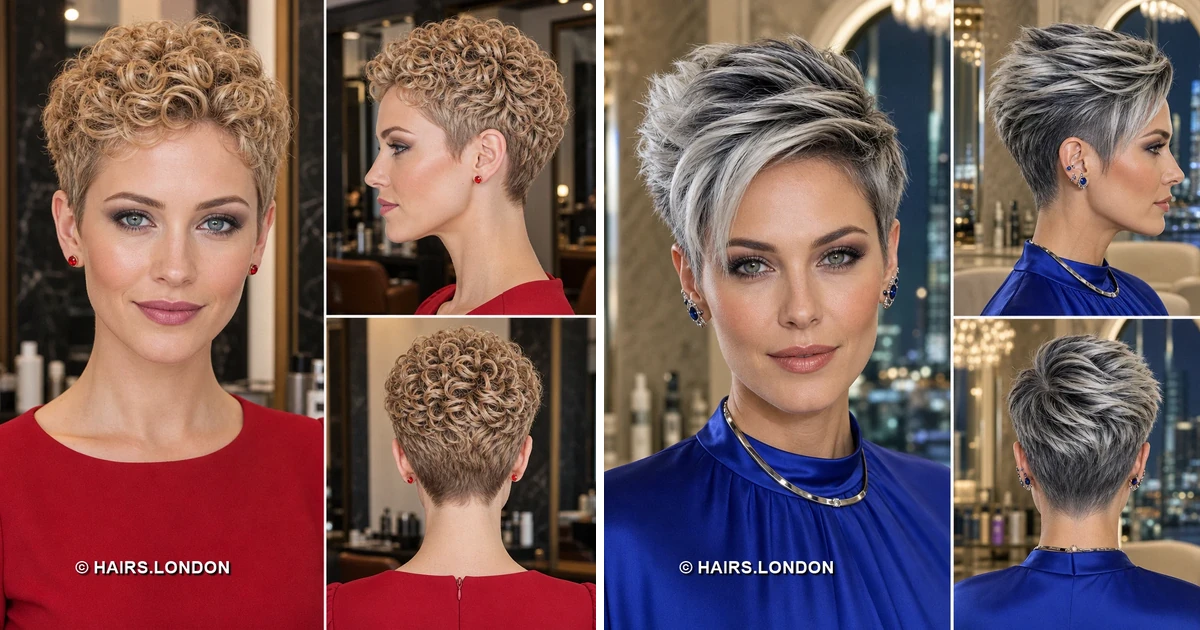
11. Silver Pixie With an Asymmetric Fringe
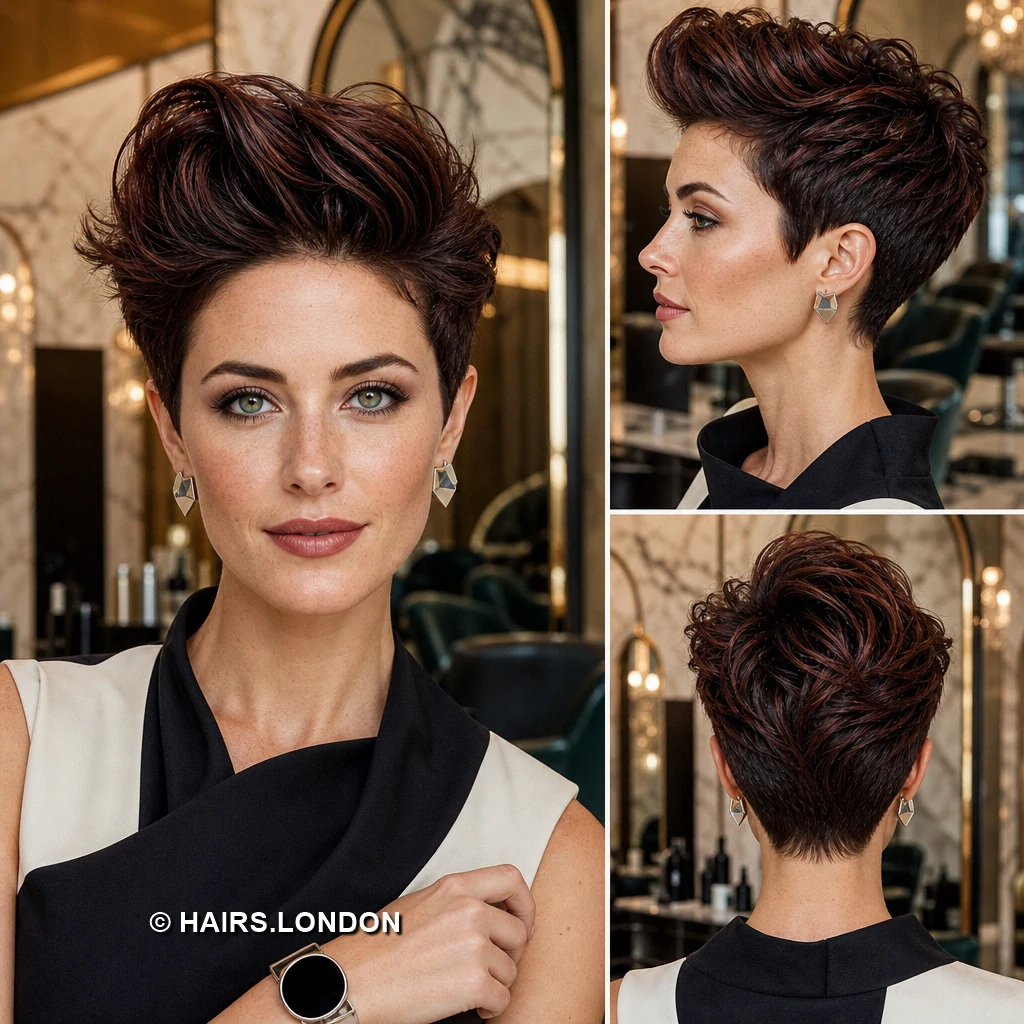
Silver white strands cross softly darker roots in this contrasting pixie. The longer fringe falls diagonally toward one eyebrow with separation. Shorter layers create airy movement over the crown and back. Closely cut sides expose the ears and sharpen the profile. The darker nape tapers closely beneath the highlighted upper layers. Ask for fringe length that remains manageable between salon appointments. Direct the front across using a dryer and narrow brush. Light paste defines individual strands without disguising the color contrast. Discuss whether to maintain darker roots or brighten them later. Trim the sides regularly to retain this asymmetric silhouette.
12. Ice Blue Pixie With a Curved Quiff
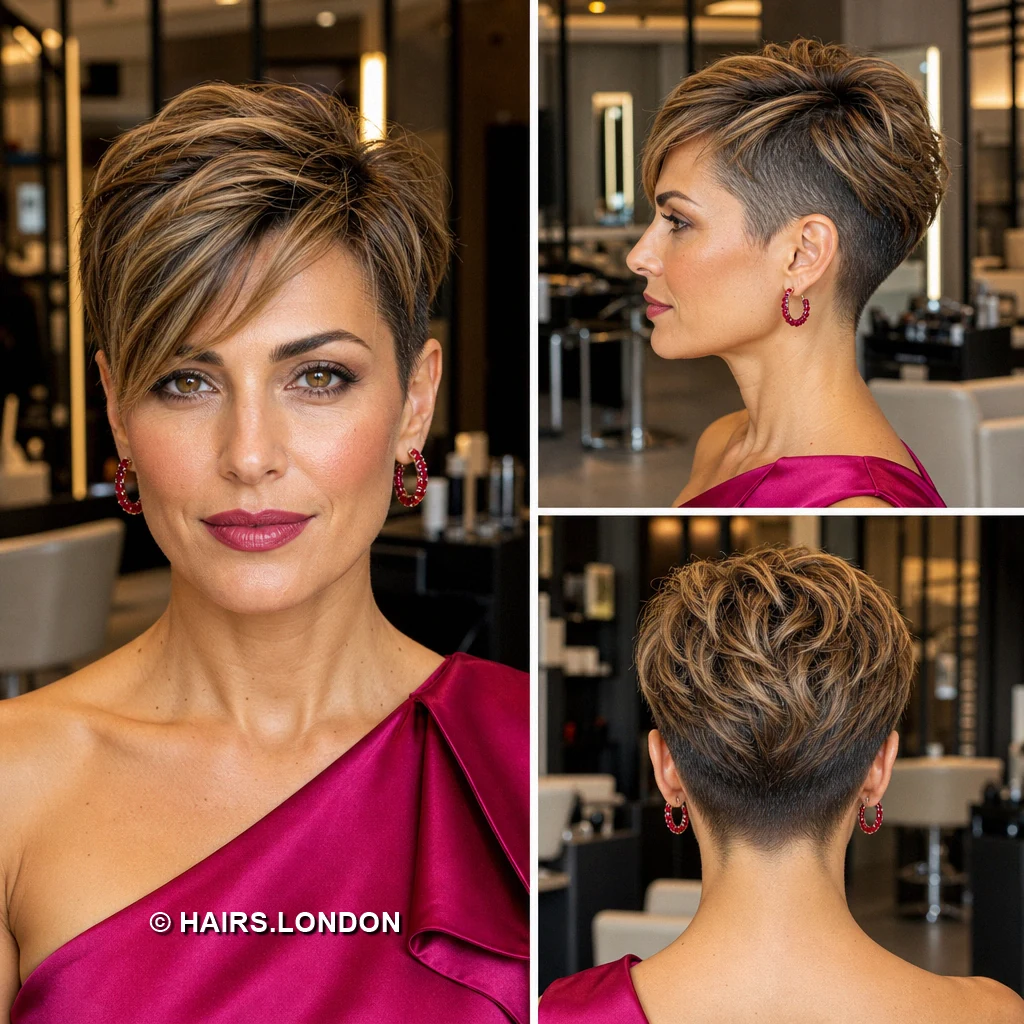
Icy blue hair rises into a broad, curved front quiff. The crown flows backward before settling into softly textured layers. Shorter blue sides stay close around the ears and temples. A tapered nape creates a clean finish beneath the fullness. Pale and deeper blue strands give the sweep visible dimension. Ask your stylist to leave enough length for this bend. Blow dry roots upward, then guide the ends backward gently. A light hold product supports volume without creating hard strands. Discuss the lightening needed before choosing this pale blue shade. Preserve the silhouette with regular trims around its short perimeter.
13. Blush Pink Pixie With a Long Fringe
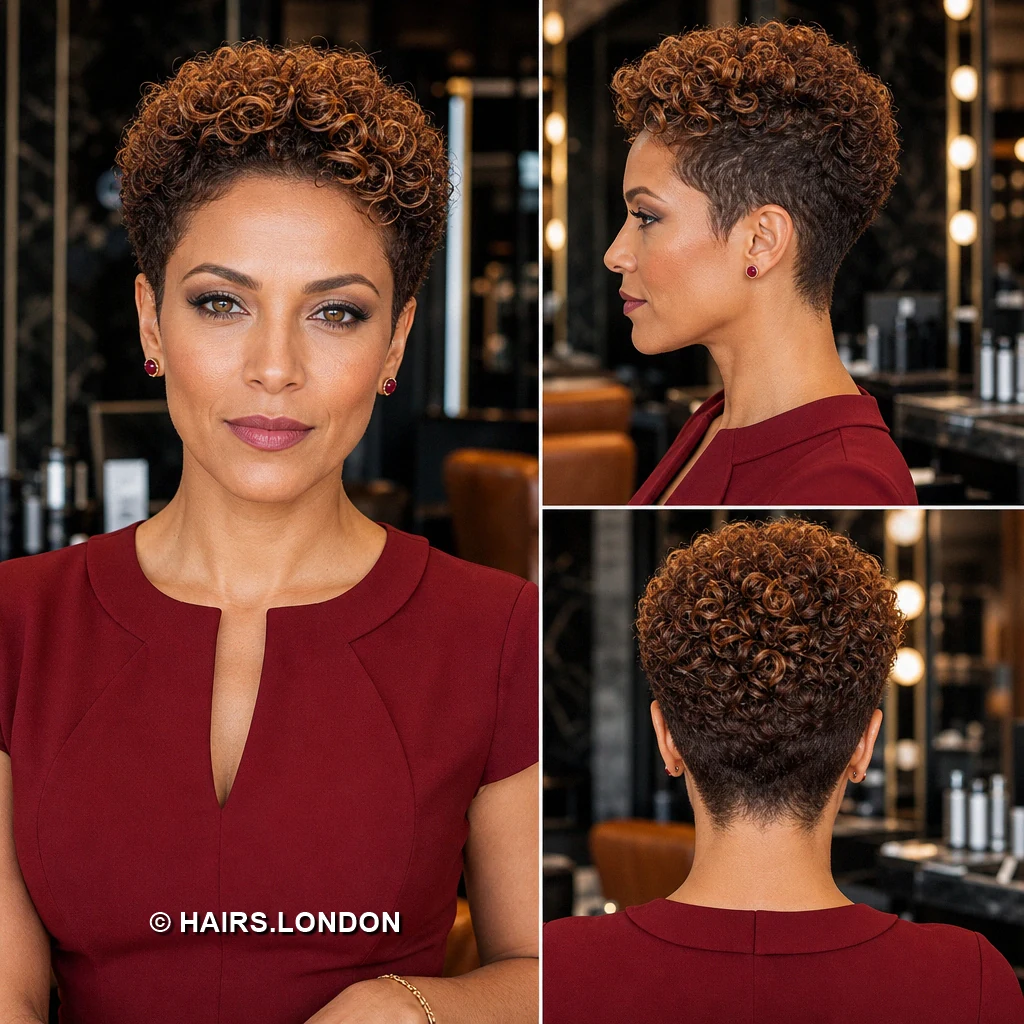
Blush pink layers gather into a dramatic, side falling fringe. The longest front pieces extend past the eyebrow on one side. Shorter hair beside the opposite ear balances that extra length. Feathered crown layers continue into a softly tapered back. Muted rose and warmer beige tones mingle throughout the top. Ask for careful weight removal so the fringe moves freely. Blow dry it across the forehead with a flat brush. Tuck the shorter side back to emphasize the uneven outline. Discuss visibility and comfort before deciding on the longest point. Trim the front promptly whenever it interferes with your sight.
14. Powder Blue Pixie With a Swept Crown
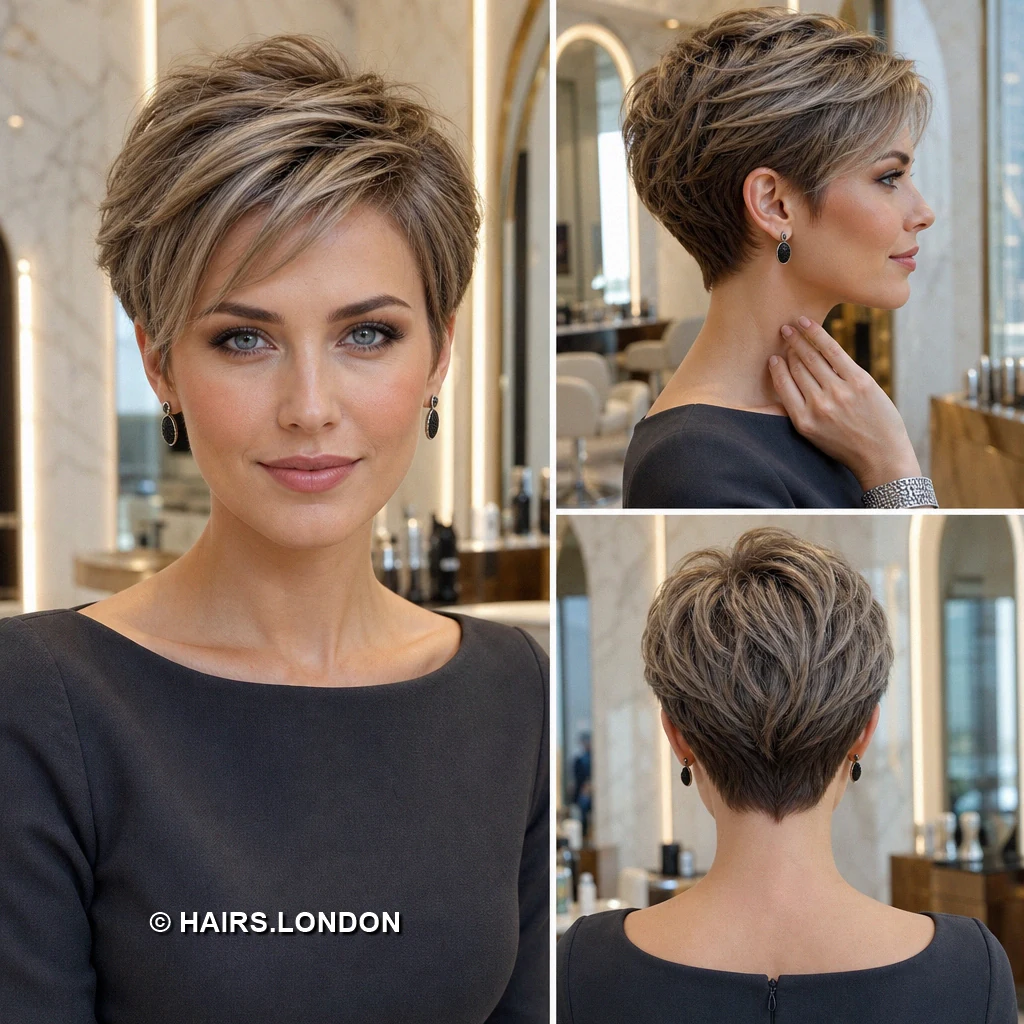
Powder blue layers sweep sideways over a softly raised crown. The front curves upward, leaving much of the forehead visible. Shorter sides hug the head and reveal both ears. At the back, feathery layers narrow into a tapered nape. Tonal blue strands make the flowing direction easy to see. Ask for enough top length to maintain this rounded, flowing sweep. Lift the roots while drying, then guide lengths smoothly sideways. Use flexible spray to hold movement without stiffening the fringe. Discuss color fading and your preferred shade before the appointment. Keep the neckline trimmed so the crown remains proportionately full.
15. Lavender Pixie With Sculpted Waves
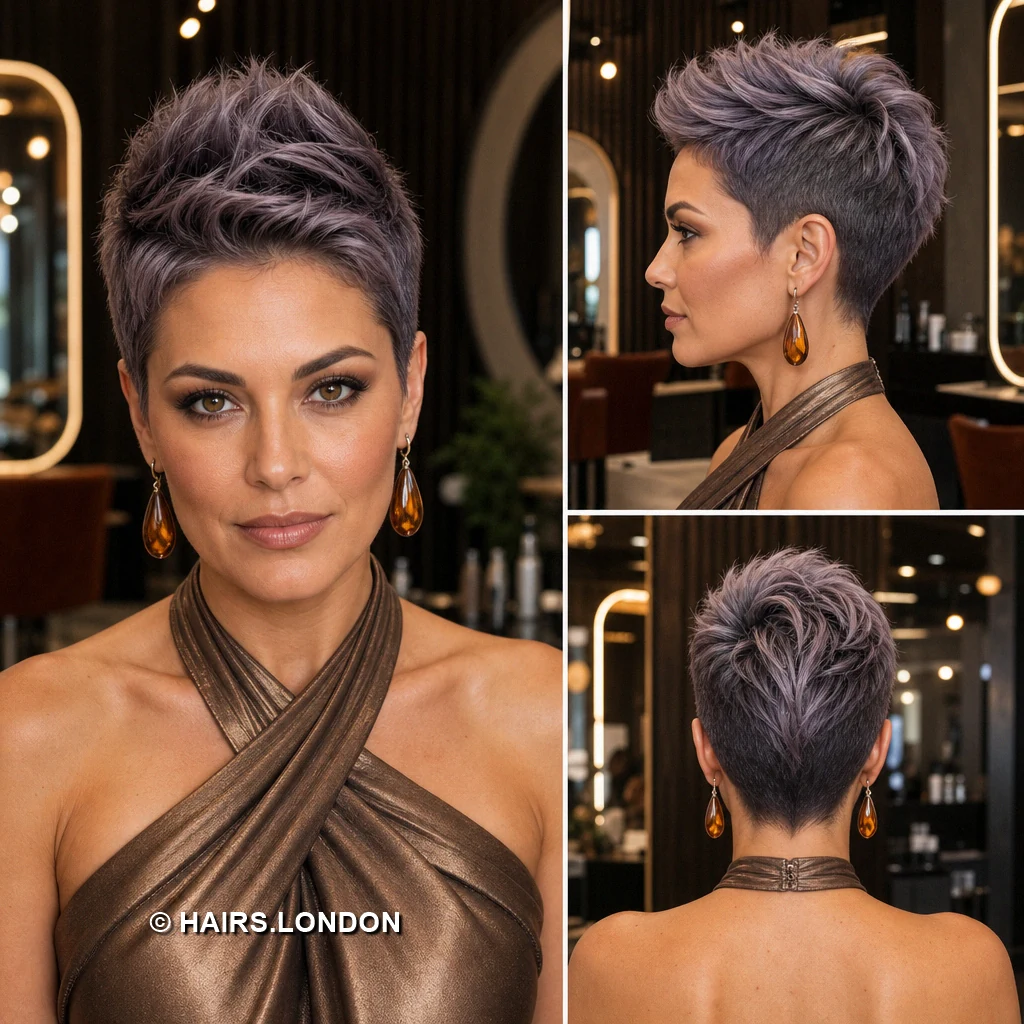
Lavender, pink and smoky silver flow through sculpted upper waves. The long front curls upward before turning toward one side. A closely cropped side creates contrast beneath the flowing top. The back shows layered color above a dark, tapered nape. Ask for sufficient crown length to form these broad bends. Blow dry upward with a brush, directing sections across afterward. Finish with flexible hold to keep the waves touchable. Discuss where the shorter side should meet the longer layers. A salon color plan can help maintain these separate tones over time. Trim the taper before growth obscures its clean outline.
How to Choose a Textured Pixie Haircut
Start with the feature you want to keep: curl definition, a sweeping fringe or height at the crown. Longer fronts offer more styling options but may need attention around the eyes. Close sides and napes make the top look fuller and generally need more frequent shaping. Compare the front, profile and back of a reference cut; each view reveals a different part of its structure.
Styling Straight, Wavy and Curly Textures
For straighter hair, lift damp roots with a dryer before adding a little paste to the ends. Let natural waves follow the cut’s direction, using a light cream to control stray pieces. Apply curl cream to damp curls and diffuse gently or air dry; avoid brushing them once dry. Begin with less product than you think you need, especially on short, fine layers.
Keeping Pixie Color Fresh
Violet, pink, red and blue shades can change noticeably between appointments. Wash as needed with a gentle shampoo, use lukewarm rather than very hot water, and protect hair when heat styling. Ask your colorist whether a suitable color-depositing product would help between visits. Pale shades may also require a lightened base, so discuss hair condition and upkeep before committing.
Maintaining the Pixie Shape
Check the areas that show growth first: fringe, around the ears and at the nape. A small perimeter trim may be enough when you want to retain length on top. Bring front, side and back reference views to follow-up appointments, and explain which sections became difficult to style as the cut grew.
What to Discuss With Your Stylist
Describe your natural texture, usual parting, morning styling time and preferred amount of fringe. Ask how much length the crown needs to create the pictured lift, and whether your curls will shrink into a shorter shape. For color, discuss the starting base, placement, likely maintenance and whether the desired result suits your hair’s current condition.
Frequently Asked Questions
Which textured pixie is easiest to style quickly?
A short, softly layered pixie with a fringe that follows your natural growth direction usually needs less daily reshaping than a high quiff or long side fringe.
Can a pixie keep natural curls defined?
Yes. Leave enough length for the curls to form, account for shrinkage when cutting, and style them with a damp-hair curl product.
How do I keep a lifted crown from falling flat?
Dry the roots upward first, then use a small amount of lightweight styling product. Ask your stylist whether the crown needs weight removed.
Will a long pixie fringe cover my eyes?
It can as it grows. Agree on the longest comfortable point during the cut and arrange a fringe trim when needed.
Are close sides necessary for a textured pixie?
No. Close sides emphasize a longer top, but a softer side length can still work with a layered crown and tapered back.
How often should I trim a tapered nape?
Book a trim when the neckline loses the outline you want. The timing depends on how close it was cut and how quickly your hair grows.
Should curly pixies be cut wet or dry?
Ask your stylist how they account for your curl pattern and shrinkage. Seeing the curls dry can help assess their finished shape.
What product creates piecey texture without stiffness?
Start with a tiny amount of flexible paste or cream, working it through selected ends rather than coating the whole cut.
How can I reduce heat styling on a pixie?
Choose a cut that works with your natural growth direction, then try finger styling or air drying where your texture allows.
Do pastel pixie colors need extra upkeep?
They may. Ask your colorist about the lightened base, expected fading and an appropriate plan for refreshing the shade.
Can I change my pixie parting between appointments?
Often, provided the top has enough length. Try moving the part while the hair is damp and drying it in its new direction.
What reference photos should I bring to a consultation?
Bring front, side and back views, then point out the exact fringe, crown height, side length, nape and color details you like.
Conclusion
The most useful reference is one whose shape works as well from the side and back as it does from the front. Choose the fringe, crown texture and taper you want to maintain, then plan the color and styling routine around your own hair.