


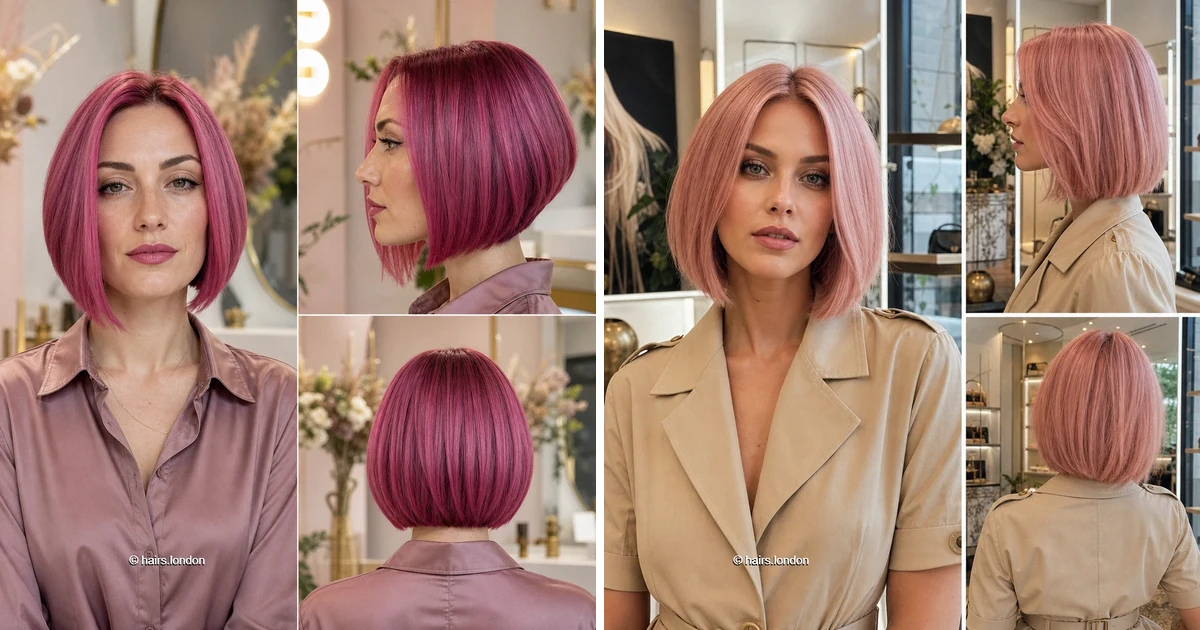
11. Short Magenta Layered Bob With Crown Fullness
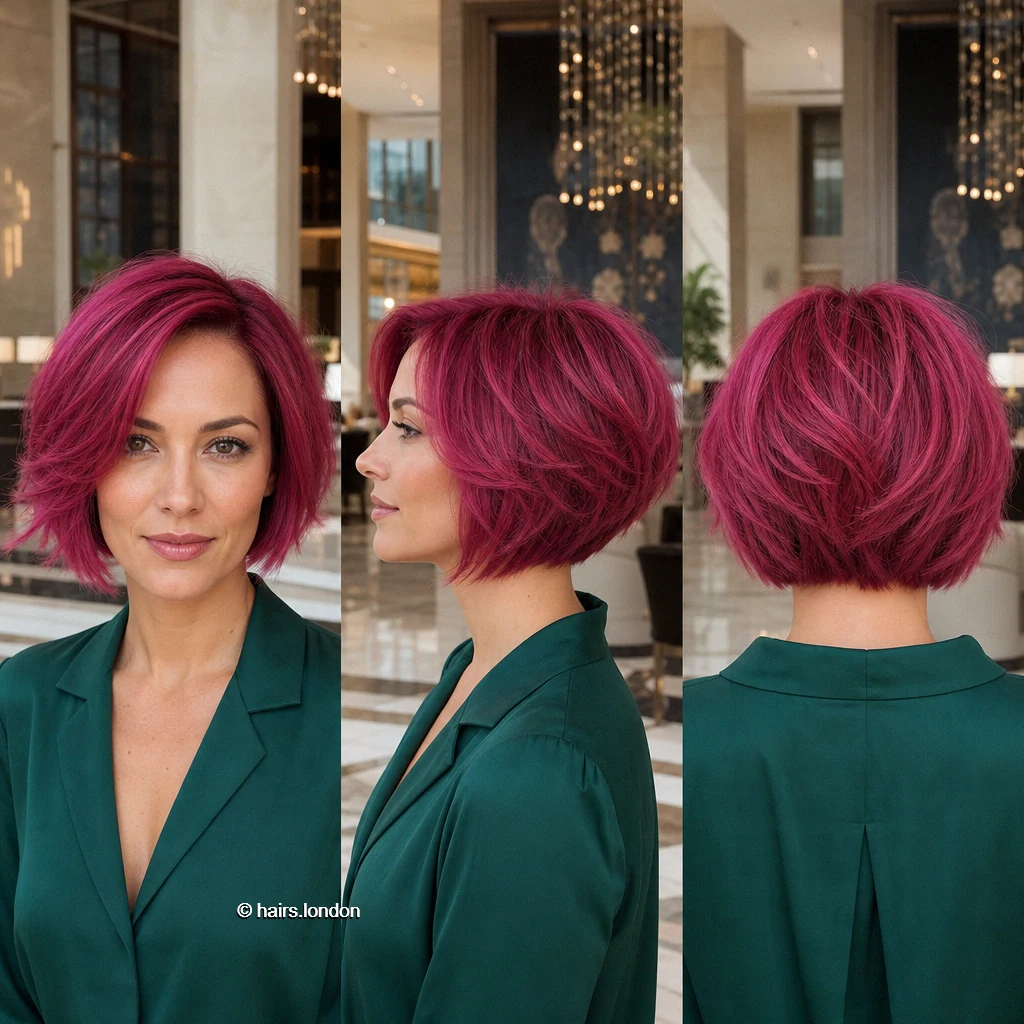
Magenta layers build visible fullness across this short bob. Its side swept front falls close to the cheek. The back narrows toward a tidy, neck revealing edge. Loose overlapping sections give the crown a rounded shape. A light root spray can help lift the upper layers. Dry with fingers for movement rather than a rigid finish. Keep the ends soft so the sides avoid looking bulky. Short shape trims will help maintain the compact back. It may suit hair that readily holds crown volume. Ask your stylist where weight should remain for balance. Watch for unwanted bulk behind the ears.
12. Dusty Pink Wavy Bob With Soft Ends
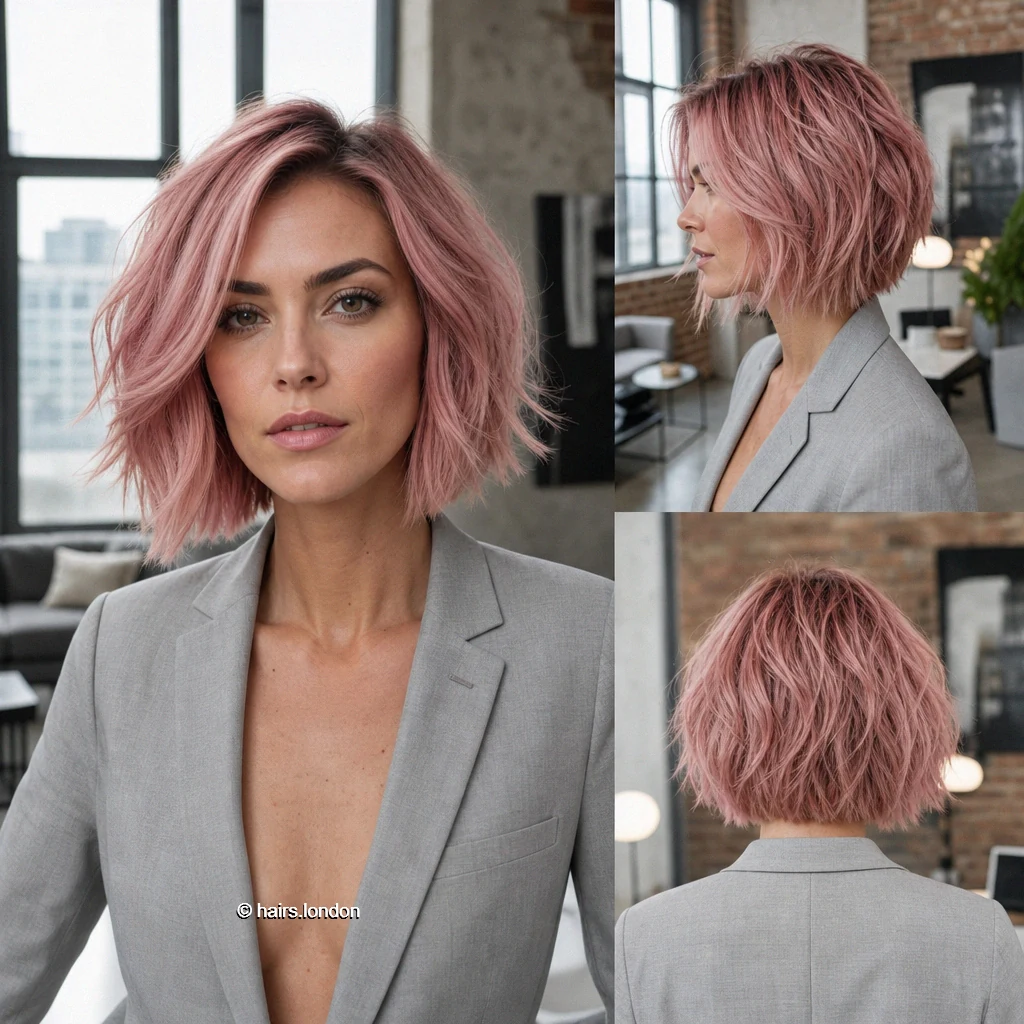
Muted dusty pink softens this loose, jaw length bob. A side part lets the longer front fall across one cheek. Gentle bends and separated ends keep the perimeter relaxed. The back looks similarly textured, without a sharply defined angle. Enhance existing waves with light cream and gentle scrunching. If needed, create bends while leaving the tips straighter. Avoid heavy product that would obscure the airy finish. Textured trims can focus on shape without chasing perfect symmetry. This may suit hair with natural wave or styling flexibility. Discuss how the pink will fade between appointments. Refresh the tone as color fades.
13. Bright Pink Bob With a Smooth Curved Perimeter
A bright pink finish defines this smooth, compact bob. The center part divides two softly curved front sections. Side views place the back edge above the neck. The front falls closer to the jaw than the nape. Fullness appears rounded rather than visibly stacked at the rear. Brush downward while drying, then gently curve the ends. A light shine product can emphasize the clean outline. Maintain the edge with trims before it becomes uneven. Smooth styling may require extra work on strongly wavy hair. Discuss parting and realistic daily finishing time with your stylist. Check how ends sit behind ears.
14. Polished Magenta Bob With a Rounded Silhouette
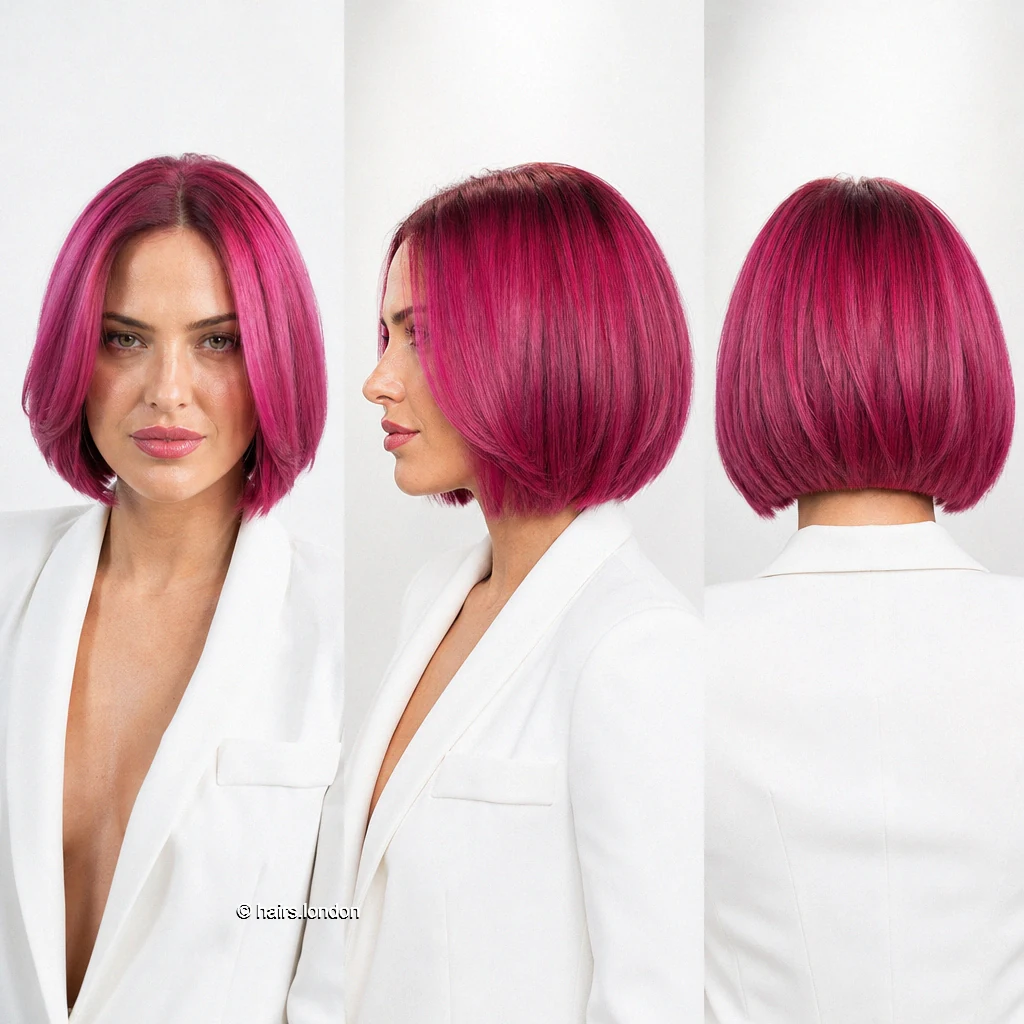
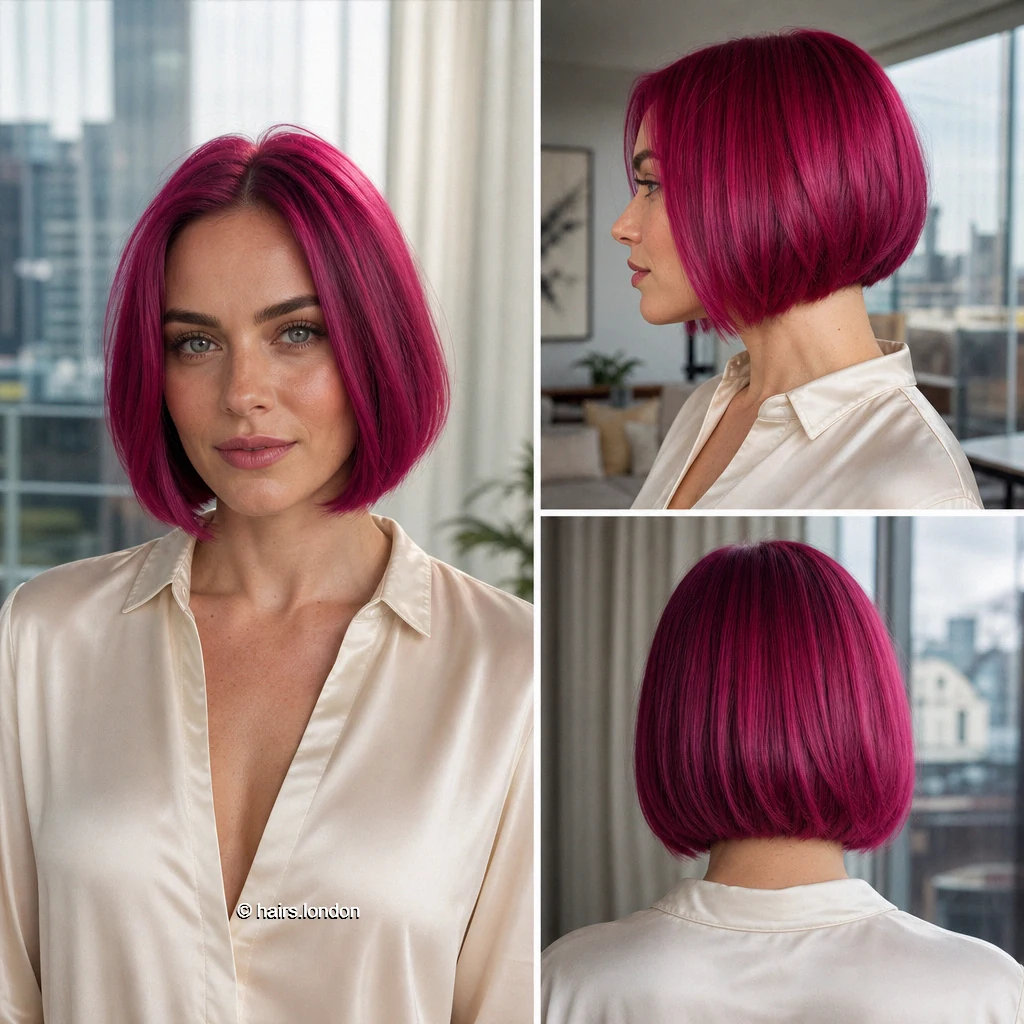
This magenta bob frames the face with parted sections. Its glossy sides sweep inward toward a short neckline. The back shows a continuous rounded edge with fullness above. There is no clear evidence of distinctly stacked rear layers. Blow dry in sections to keep the surface controlled. Curl the last portion inward only as much as needed. Fine hair might benefit from modest root lift beneath. Thick hair could need internal shaping to maintain movement. Preserve the perimeter through trims tailored to your growth. Show your stylist the side view when discussing length. Avoid flattening the sides with heavy serum.
15. Soft Rose Bob With a Jaw Skimming Front
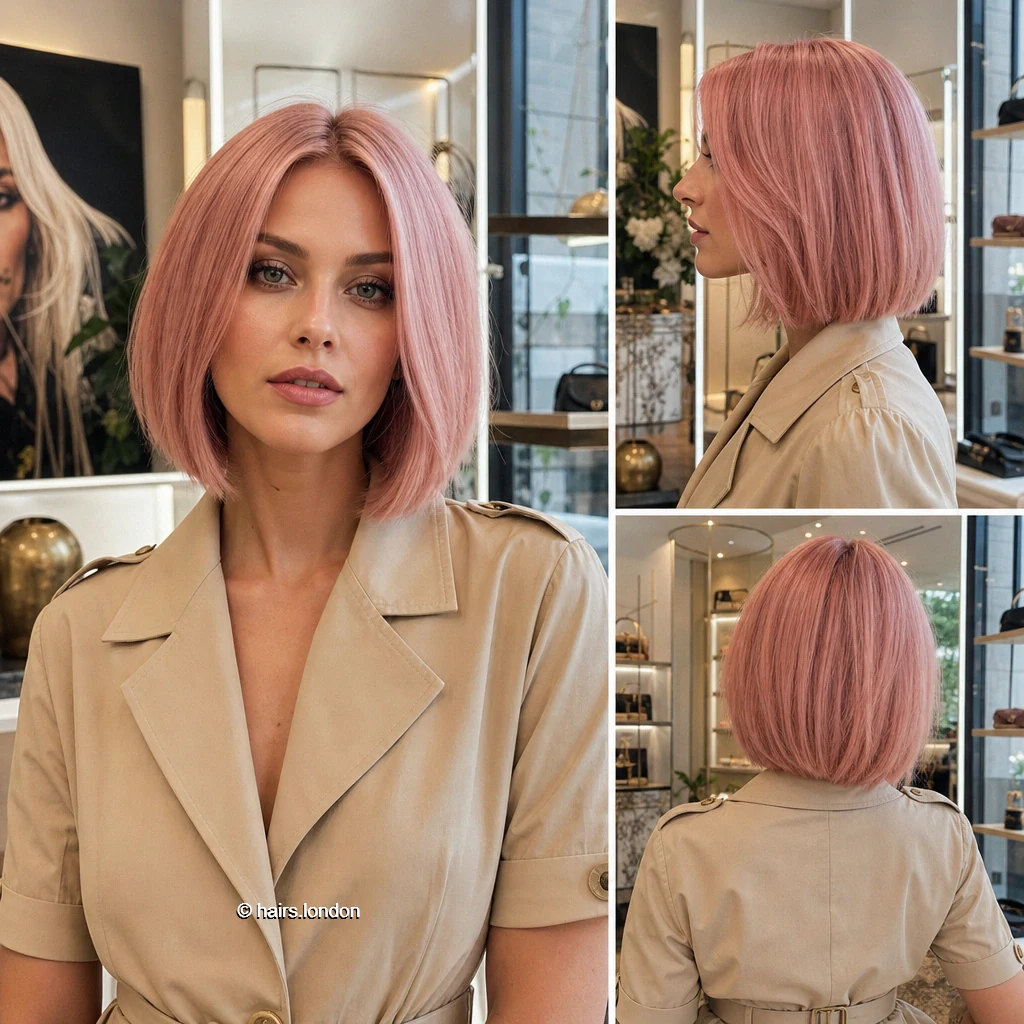
Soft rose color gives this tidy bob understated warmth. Its near center part opens into jaw skimming fronts. The side view shows a gently curved lower edge. At the back, the perimeter appears rounded and compact. Faint surface movement prevents the shape from looking rigid. Smooth with a brush while retaining some natural fullness. Use minimal finishing cream if the ends turn fluffy. This could suit hair that readily forms a rounded outline. Regular edge trims keep the jaw framing length deliberate. Discuss whether your hair turns inward without daily heat. Check how the front looks both tucked and loose.
16. Long Magenta Wavy Bob With Piecey Ends
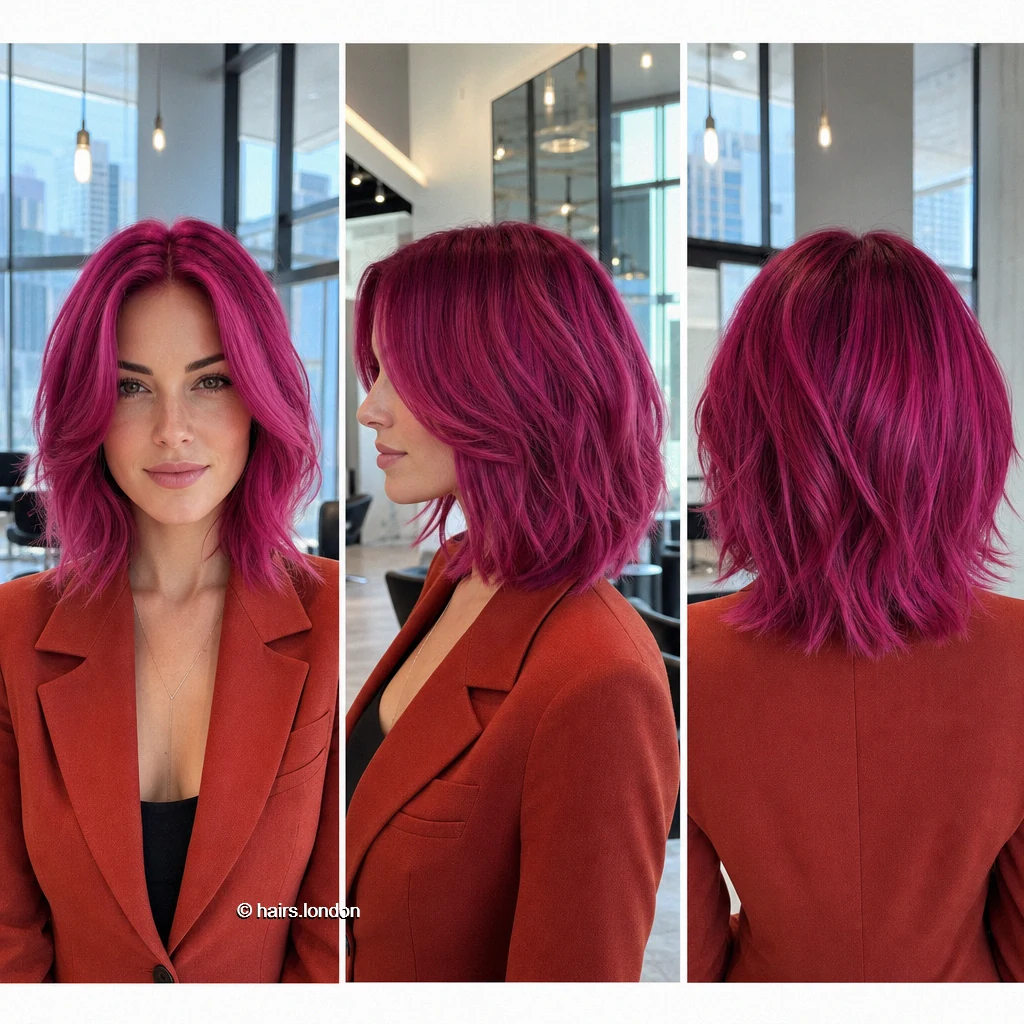
This magenta lob reaches toward the shoulders in front. Loose waves travel through the sides and textured back. A center part keeps the longer face framing sections balanced. The perimeter looks broken and soft rather than sharply blunt. Scrunch damp lengths with foam to support natural bends. Diffuse gently, or let the waves settle without brushing. Keep styling products light enough for the ends to move. This length offers flexibility if shorter bobs feel restrictive. Trim tired tips while allowing an easy grow out. Discuss how much layering your density needs for movement. Keep front sections free of product buildup.
17. Textured Rose Bob With an Airy Side Sweep
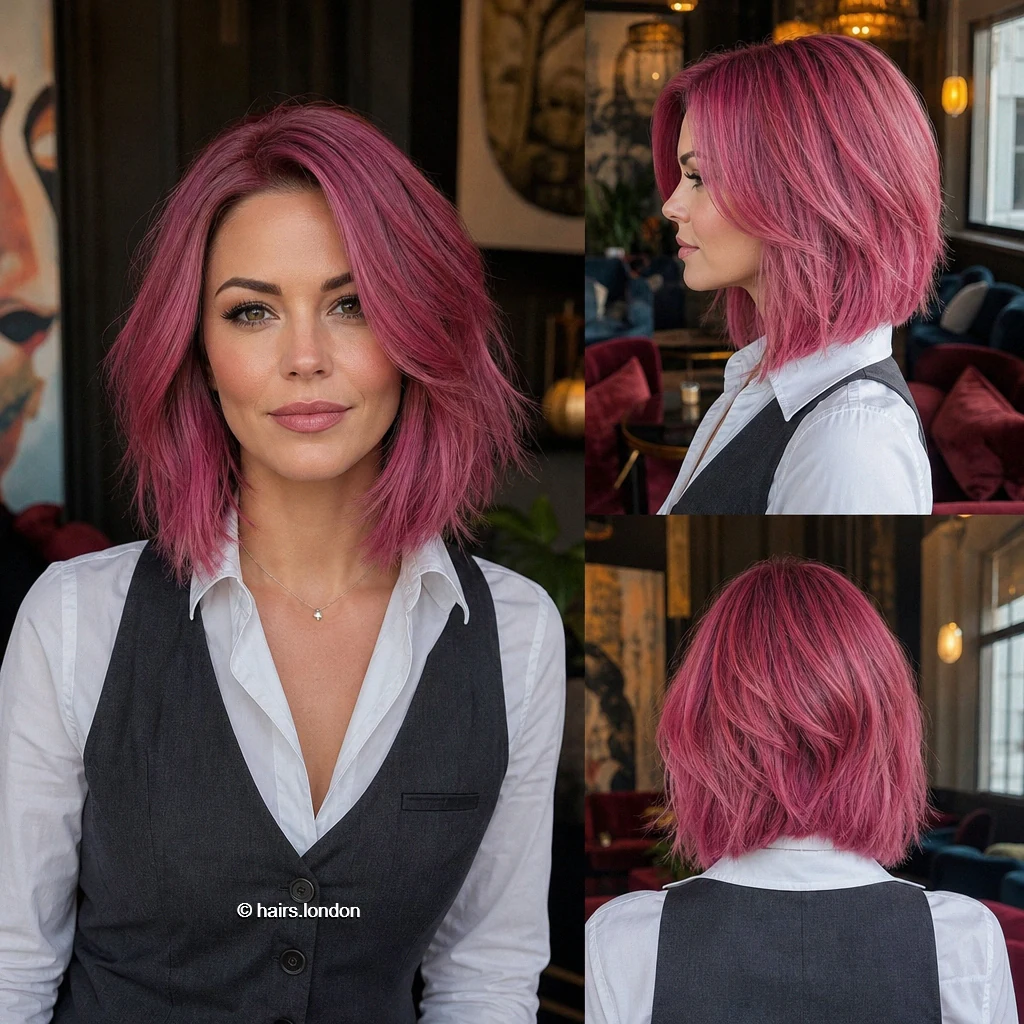
Rose pink color covers this softly textured, neck length bob. A loose side sweep adds height around the forehead. The ends look separated around the jaw and nape. Rear layers create movement, though no strong stack is visible. Encourage natural bends with a small amount of mousse. Twist selected sections while drying for extra piecey definition. Avoid coating every layer with heavy finishing product. This may suit medium density hair with flexible texture. Refresh the outline when the nape begins losing shape. Ask your stylist to tailor layers around your growth patterns. Check whether the side sweep stays comfortable daily.
18. Rose Gold Wavy Lob With a Soft Perimeter
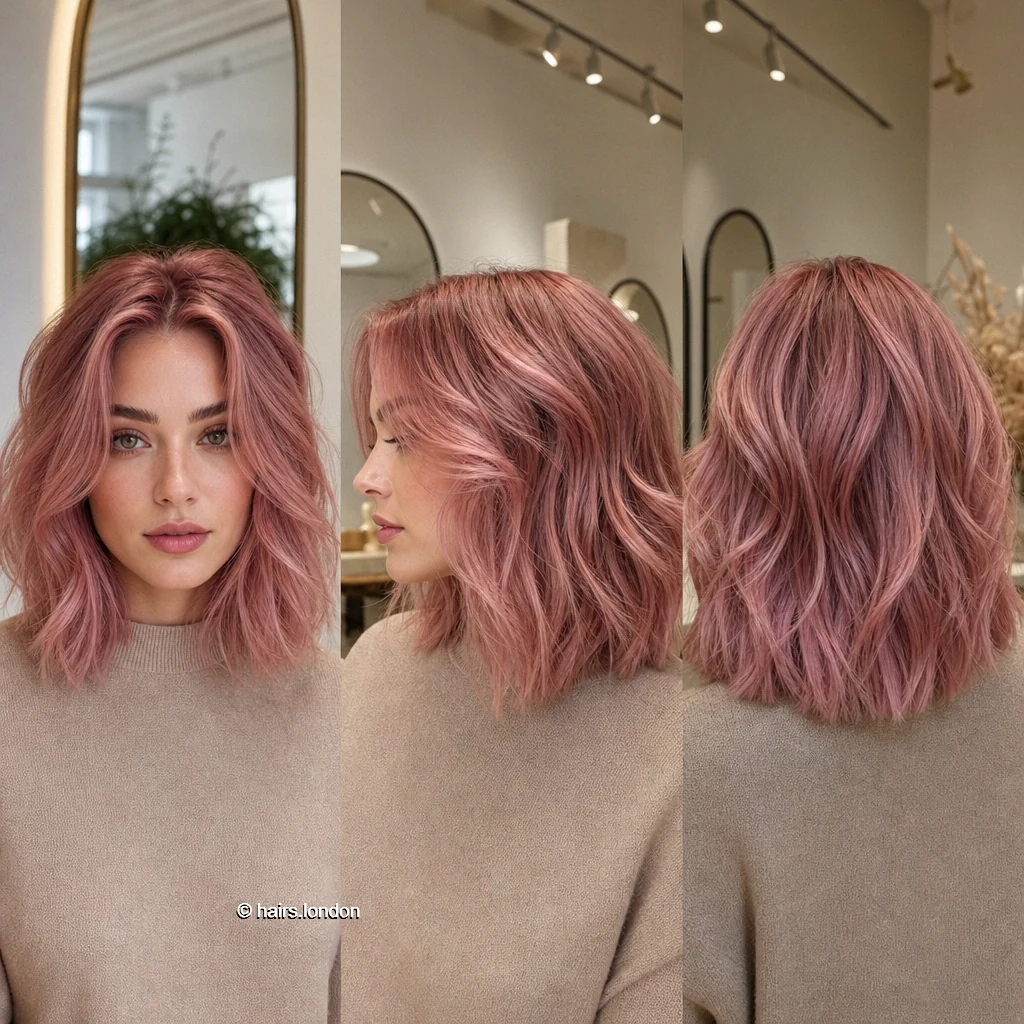
A muted rose gold tone complements this wavy lob. Its center leaning part opens into cheek framing bends. The longest pieces approach the shoulders rather than the jaw. Soft layers let the ends ripple without obvious bulk. The back maintains a loose, gently uneven lower edge. Scrunch with cream if your natural texture already waves. For straighter hair, add scattered bends through the mids. Avoid curling every strand identically; varied movement looks softer. Trim damaged ends while keeping the relaxed perimeter intact. Discuss shrinkage and preferred length if your hair waves. Ask where layers should start to preserve lower fullness.
19. Short Berry Bob With a Full Sweeping Fringe
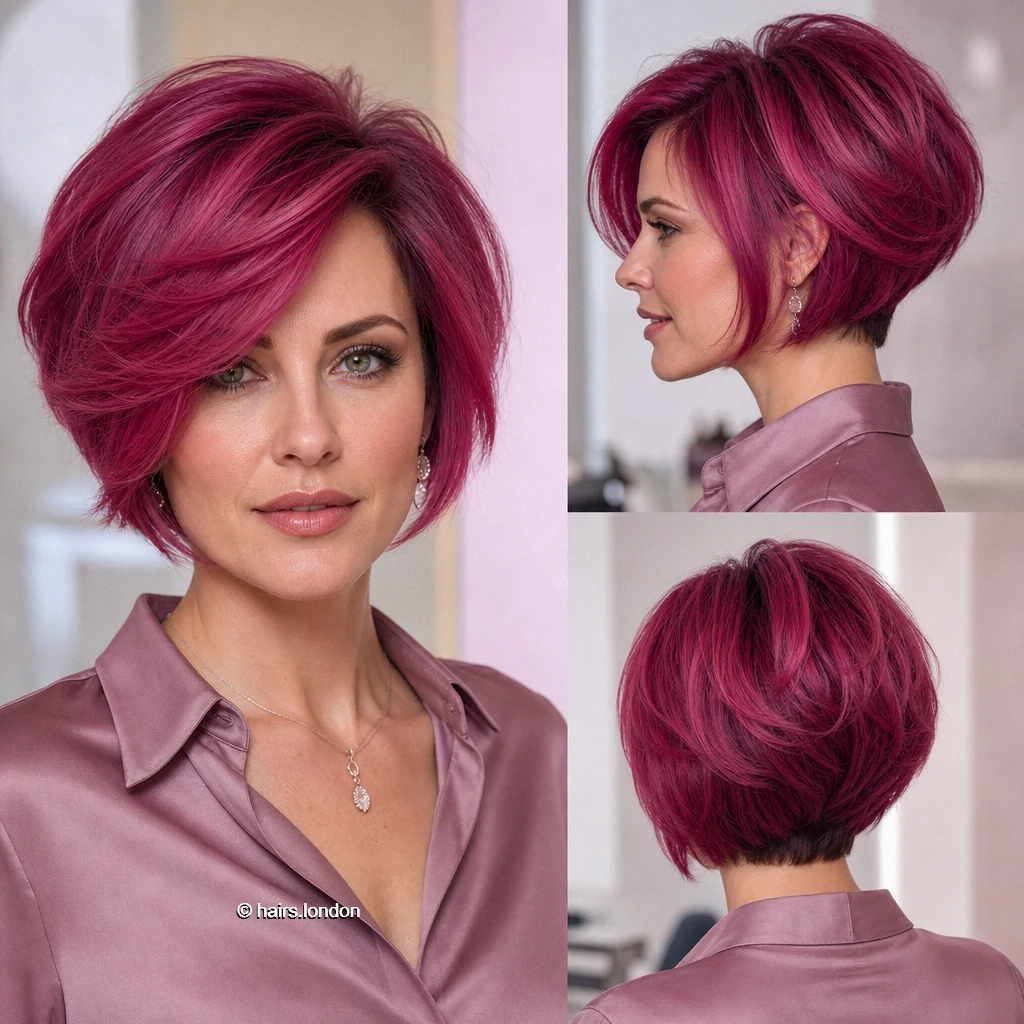
A full sweeping fringe anchors this short berry bob. The profile reveals volume above a closely shaped nape. Back views show clear layering and a tapered lower section. Together, these details support a graduated bob description here. Magenta highlights make the overlapping layers easier to see. Dry the fringe across, then lift the crown gently. Use flexible hold to keep the sweep from separating. Short rear sections need monitoring as they grow out. This silhouette may suit hair that maintains upper fullness. Discuss how your fringe grows before setting its length. Keep the neckline tidy without flattening the upper layers.
20. Magenta Graduated Bob With a Sweeping Front
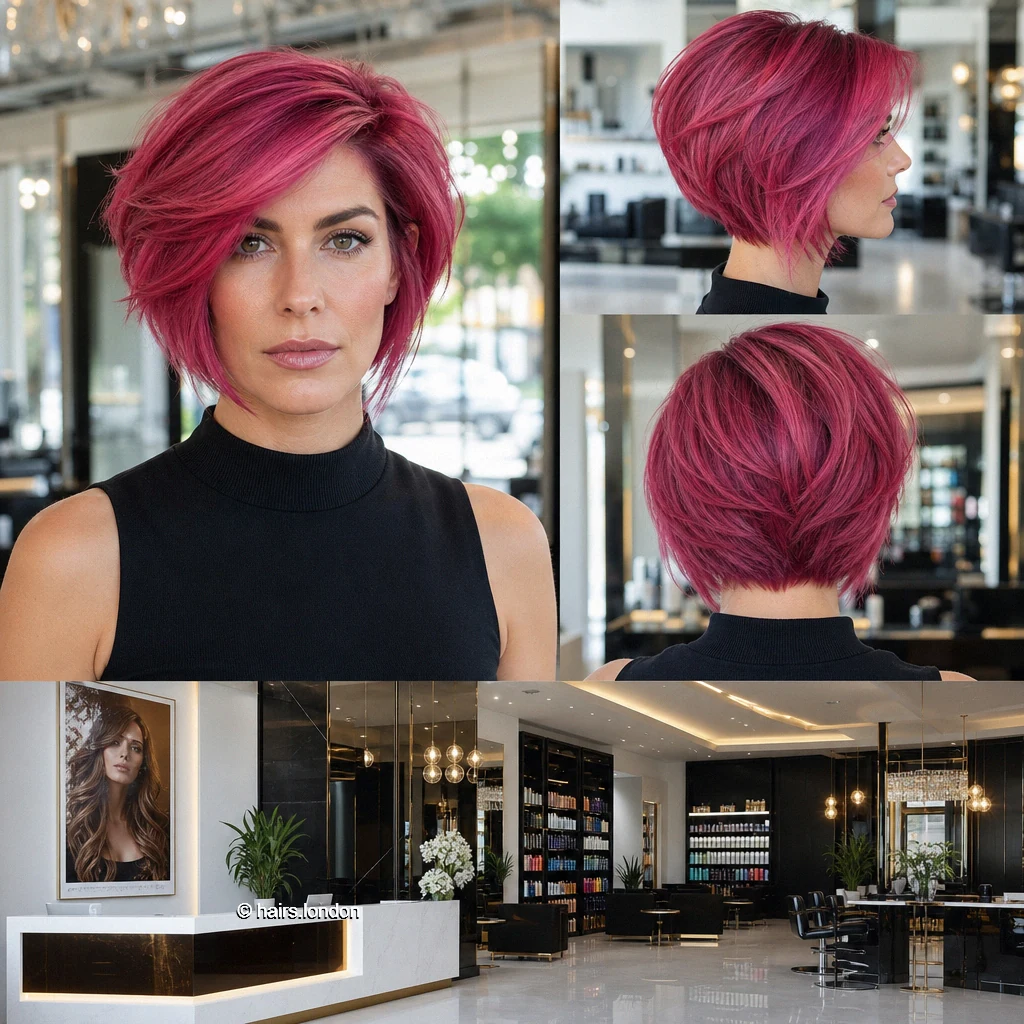
A bold side sweep tops this short magenta bob. The long front falls toward the cheek and jaw. Profile and back views reveal layers lifting above the nape. That visible rear buildup gives the shape graduated fullness. The lower back remains compact against the exposed neck. Direct the fringe across while drying for controlled movement. Lift upper sections gently without inflating the entire shape. Book trims as the rear graduation begins to collapse. It may suit hair able to support crown volume. Ask your stylist to balance the sweep against density. Check profile and nape balance between regular shape appointments.
How to Choose Your Bob Length and Shape
Start by deciding where you want the front to fall: at the jaw, below it or near the shoulders. A shorter nape with visibly longer front pieces creates an A-line outline; a stacked or graduated bob needs visible buildup of shorter layers at the back. If you prefer a softer grow-out, consider a textured bob or lob. Check your natural part, neckline growth and how much length you want around your face before settling on the shape.
Styling Fine, Thick, Wavy and Curly Textures
Fine hair often needs lightweight root lift and a perimeter that is not overlayered. Thick hair may need carefully placed internal weight removal so a rounded bob moves without expanding at the sides. For waves, scrunch in a small amount of foam or cream and diffuse gently; smooth only the pieces that need it. Natural curls should be assessed at their dry length before cutting, since shrinkage changes where a bob lands. Whatever your texture, avoid so much product that the perimeter loses definition or the layers lose movement.
Keeping Pink Bob Color Fresh
The images range from vivid magenta and berry to softer rose and rose gold. Ask a colorist what maintenance your chosen shade and starting color require; brighter pinks may show fading or regrowth more noticeably. Follow their washing and color-safe product guidance, limit unnecessary heat, and plan refresh appointments around how quickly your shade changes. A softer faded result can be attractive, but decide whether you are comfortable with it before choosing a vivid finish.
Maintaining the Bob Perimeter and Graduation
A sleek bob depends on a readable lower edge, so arrange a trim when its curve or front-to-back difference starts looking uneven. Short graduated bobs often need closer attention because growth changes the nape and shifts the rounded weight above it. Wavy and choppy bobs can tolerate a softer outline, but their ends still need checking for bulk or damage. Take a front, side and back photograph to appointments if a particular part of the shape has changed.
What to Discuss with Your Stylist
Bring the image that best shows your preferred front length, plus its side or back view when available. Point out whether you want a smooth edge, a longer A-line front, visible rear graduation, a sweeping fringe or loose layers. Talk through density, natural wave or curl, parting, cowlicks and realistic styling time. For pink color, discuss your starting shade, possible lightening, fading and appointment frequency separately from the cut.
Frequently Asked Questions
What is the difference between a bob and a lob?
A bob generally ends around the jaw or neck, while a lob extends farther toward the shoulders. The exact distinction is less useful than showing your stylist where you want the front and back to fall.
How is an A-line bob different from a stacked bob?
An A-line bob has a perimeter that is longer in front. A stacked bob has visible graduation that builds weight at the back. One cut can show both features, but a longer front alone does not prove it is stacked.
Can fine hair wear a layered bob?
Yes, if the layering preserves enough weight through the ends. Ask for movement without removing so much hair that the perimeter looks thin.
How can thick hair avoid a bulky rounded bob?
Discuss where the weight collects on your hair. Selective internal shaping may help the bob move while keeping its lower edge intact.
Can natural curls work with a bob?
Yes, but curl shrinkage and uneven growth patterns affect the finished length. Ask your stylist to assess the shape on dry curls and plan the perimeter accordingly.
Should I add a sweeping fringe to a short bob?
A sweeping fringe can add movement, but its daily behavior depends on your part and growth patterns. Check how much styling it will need before cutting it short.
Which bob is easiest to style each day?
That depends on your natural texture. A shape that follows the way your hair already falls usually needs less work than a sleek finish or lifted fringe that requires daily heat styling.
How often should I trim a precision bob?
Trim it when the edge or intended angle starts losing definition. A short nape or prominent front-to-back difference may make growth noticeable sooner than a textured outline.
Does a graduated bob need special upkeep?
It needs attention to the back as well as the front. As shorter rear sections grow, the weight line can drop and the compact nape can lose its shape.
Can I grow out a short bob into a lob?
Yes. Small shaping trims can keep the back and front balanced while you retain overall length. Tell your stylist you are growing it so they do not repeatedly restore the shorter silhouette.
Will bright pink fade differently from muted rose?
The visible result depends on the color service, starting hair and home care. Ask your colorist how your chosen shade is likely to change and what refresh schedule it may need.
What should I bring to a bob consultation?
Bring images showing the front, side and back of the shape you like. Also describe your usual part, natural texture, styling routine and preferred length at the jaw, neck or shoulders.
Conclusion
The most useful pink bob inspiration is a shape you can recognize from every angle and maintain on your own hair. Choose the perimeter and amount of layering first, then discuss the pink shade and its upkeep. A clear conversation about texture, styling time and growth will help turn a favorite image into a practical salon plan.


